
All Stories
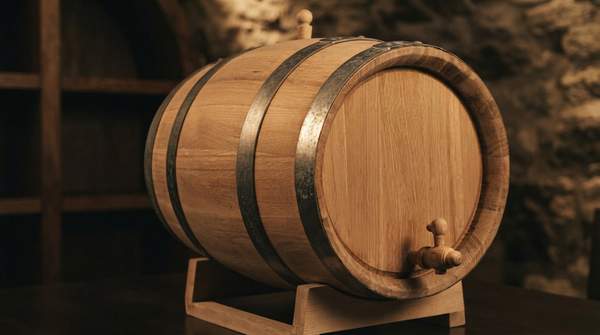
From Sugar to Sour: How Fermentation Builds Vinegar's Flavor
Vinegar's flavor originates from a two-stage fermentation: yeast converting sugars to alcohol, followed by acetic acid bacteria oxidizing alcohol into acetic acid. The distinct tastes of fruit versus cereal vinegars, and the impact of aging, stem from raw materials, microbial diversity, and secondary compounds.
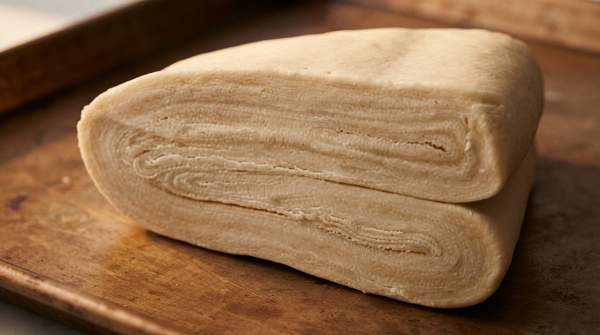
Butter, Temperature, and Fold Geometry: The Science of Flaky Laminated Dough
Achieving flaky laminated dough relies on creating thin, continuous layers of butter between dough sheets. Mastering this technique requires precise control over butter quality, temperature, and folding geometry to build the desired architecture.

Four Advanced Cocktail Techniques Compared: Which One Belongs in Your Home Bar First
Explore four advanced cocktail techniques for home bartenders: fat-washing, sous vide infusion, milk clarification, and forced carbonation. This guide compares their effects, equipment needs, and difficulty to help you choose which to master first.

The Science of Knife Sharpening: How Grit, Angle, and Abrasion Decide Your Edge
Knife sharpening is a science governed by three core variables: abrasive grit size, sharpening angle, and effective heat and debris management. Understanding these principles allows for choosing the right method and achieving a superior, durable edge.

Poolside Days Above Santa Margherita Ligure at Luxury Unique Places’ Villa San Lorenzo
Choosing the perfect European villa rental is the first step toward an unforgettable holiday, but navigating the vast market can be a complex task. For discerning travelers seeking more than just a place to stay, the dec…

The Science of Pairing: Why Shared Aromas and Balanced Tastes Make Food and Drink Work Together
Successful food and drink pairings are based on two scientific principles: shared aromatic compounds and the balance or contrast of basic tastes and textures. Understanding these concepts transforms pairing from guesswork into a repeatable method.
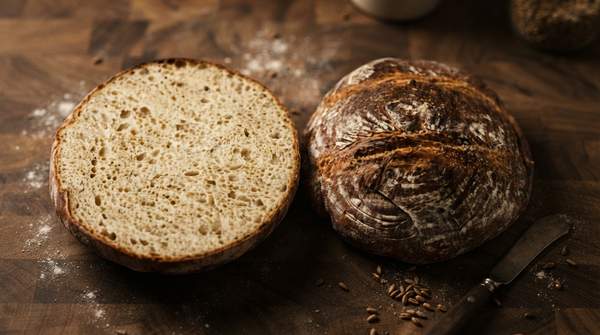
Glutenin Builds the Strength, Gliadin Builds the Stretch: How Sourdough Techniques Shape Your Rise
Understand the distinct roles of glutenin for strength and gliadin for stretch in sourdough gluten development. Learn how techniques like hydration, autolyse, and folding intentionally build these protein networks to shape your dough and achieve the perfect loaf.

Food Glazing Agents Compared: From Carnauba Wax to Shellac, What Gives Shine and Protects Your Product
Explore the world of food glazing agents, comparing natural options like carnauba wax and beeswax with synthetics such as stearic acid. Understand their properties, applications, and the trade-offs for shine and product protection.
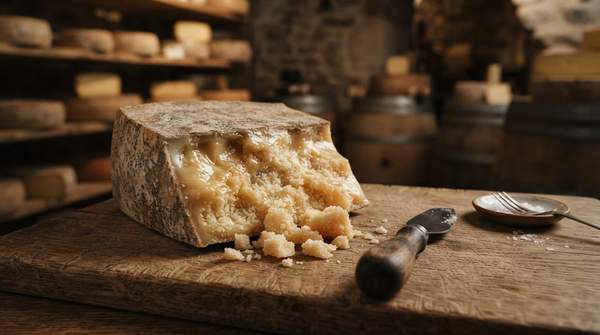
Proteolysis and Lipolysis: The Two Biochemical Engines Behind Artisanal Cheese Flavor and Texture
Artisanal cheese flavor and texture are shaped by two primary biochemical processes: proteolysis, the breakdown of milk proteins into savory peptides and amino acids, and lipolysis, the breakdown of milk fats into aromatic free fatty acids. These enzymatic and microbial pathways, acting on milk components, create the vast diversity found in cheese.

From Everyday Blends to Specialty Picks: Finding Your Coffee Match at The Cozy Corner Coffee
The Cozy Corner Coffee caters to diverse preferences, offering everything from reliable everyday blends to adventurous single-origin selections and playful flavored coffees. It helps customers find their perfect coffee match based on their mood and desired experience.
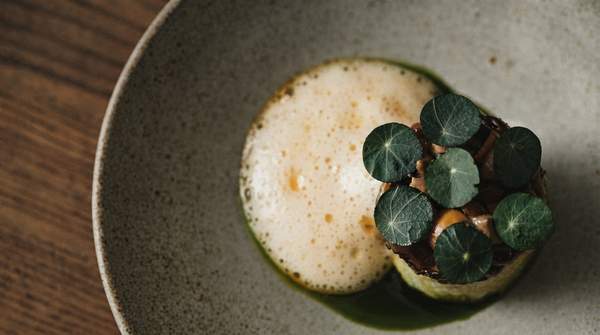
Five Kitchens, Three Philosophies: How Michelin-Level Vegan Dining Split Into Distinct Schools
Michelin-level vegan dining has evolved into distinct philosophical schools, including hyper-local farm-driven cuisine, ingredient-led innovation, and global flavor fusion. Understanding these approaches maps the future of high-end plant-based cooking.

From Mountain to Mug: How Terroir Turns Soil, Climate, and Altitude into Coffee Flavor
Coffee's distinctive flavors originate from its terroir, a combination of soil, climate, and altitude that shapes bean development and taste. Understanding these environmental factors helps explain the unique flavor profiles of coffees from different regions.

How to Choose the Best Bean-to-Bar Chocolate: A Guide to Reading the Label
Learn how to choose the best bean-to-bar chocolate by understanding labels, origin, production processes, and ethical sourcing. This guide helps you make informed decisions about craft chocolate.

How to Read Restaurant Reviews Like a Critic: What to Trust, What to Toss, and Why It Matters
Master the art of reading restaurant reviews by distinguishing between professional critics and user-generated content, and learn to identify unreliable feedback to make informed dining decisions.

Ingredients Sent From Thailand Shape the Menu at Eat Thai - Craft Bar
In the heart of Loulé, Portugal, Eat Thai - Craft Bar is redefining authentic dining by directly sourcing its key ingredients from Thailand. Founded in 2023 by the partnership of native Thai Chef Noki (Thanavadee) and Ge…
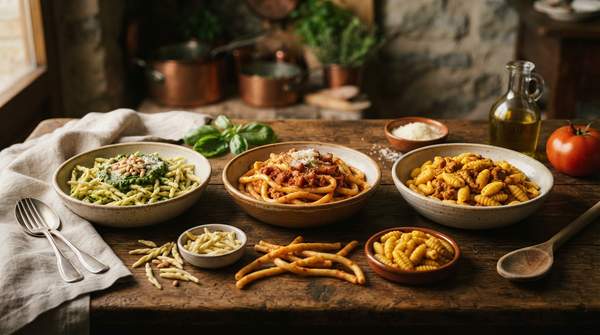
Three Regional Pastas and the Secrets Behind Their Perfect Pairings
Italian pasta shapes are intentionally engineered to perfectly complement their sauces, a principle evident in regional specialties like Ligurian trofie for pesto, Tuscan pici for ragù, and Sardinian malloreddus for chunky sauces. Understanding this functional relationship between pasta form and sauce is key to mastering authentic Italian cuisine.
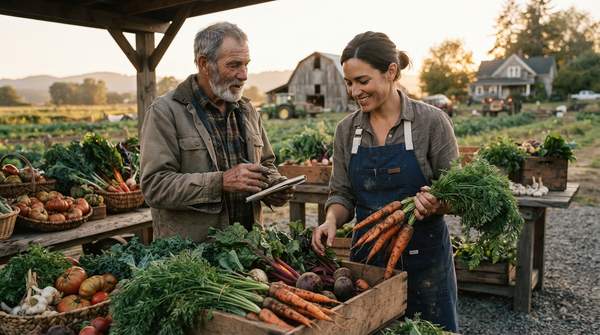
Beyond the Buzz: A Practical Guide to Farm-to-Table Sourcing
Moving beyond the romantic ideal, this guide details the operational realities of farm-to-table sourcing, comparing three distinct models: direct farm partnerships, farmers' markets, and restaurant-owned farms. It highlights the trade-offs in flexibility, consistency, and cost control inherent in each approach.
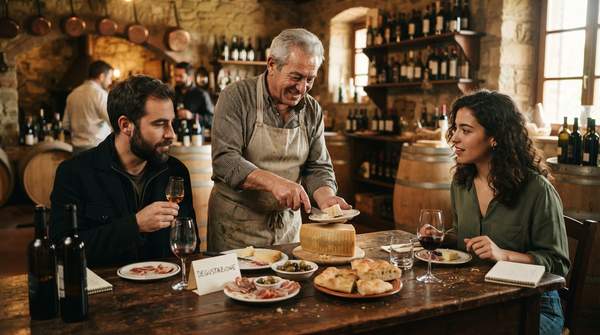
From Tastings to Tours: A Guide to Choosing Your Culinary Adventure
Choosing a culinary travel experience involves matching activities like tastings, cooking classes, or immersive tours to your available time, learning desires, and desired depth of cultural immersion. By understanding the trade-offs and considering factors like seasonality and expert guidance, you can select the perfect adventure for your travel style.
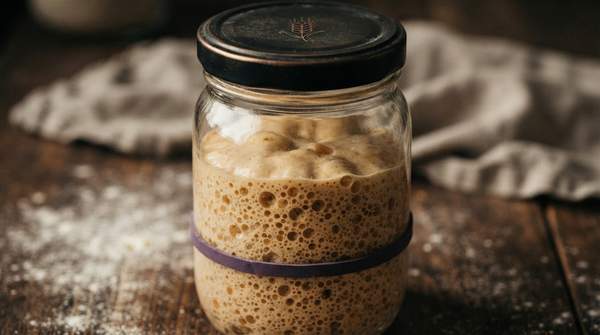
Sour, Tangy, Fruity: Decoding the Microbes in Your Sourdough Starter
The characteristic tangy taste and rich aroma of sourdough bread are the work of a symbiotic community of lactic acid bacteria and wild yeasts in the starter. These microbes ferment flour and water, producing acids, alcohols, and esters that define the bread's unique flavor profile.

Finding the Best GLP-1 Friendly Restaurants in Dallas With the Menu-Order AI App
For those on GLP-1 medications, finding high-protein, low-carb meals in restaurants can be a challenge, especially in a food city like Dallas. The Menu-Order AI app helps users navigate menus, providing GLP-1 Satisfaction Scores and smart tweak suggestions to empower confident dining.
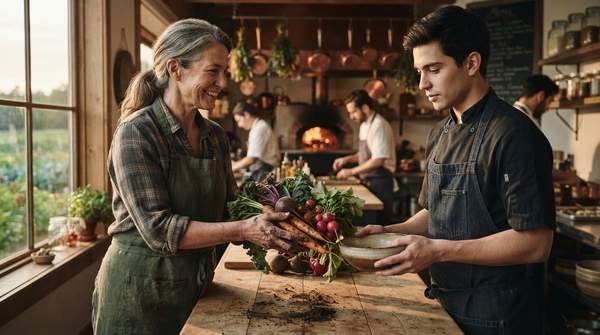
From Field to Fork: How a Reaction to Industrial Food Forged the Farm-to-Table Movement
The farm-to-table movement arose as a deliberate reaction against industrial food production, emphasizing local sourcing, environmental sustainability, and fresher, healthier dining. It champions direct connections between food producers and consumers, transforming culinary practices and consumer choices.

A Consumer's Framework for Choosing Sustainable Seafood
Choosing sustainable seafood requires a framework beyond vague labels. Consumers can make informed decisions by asking about origin, evaluating eco-labels, and understanding the feed sustainability of farmed fish.
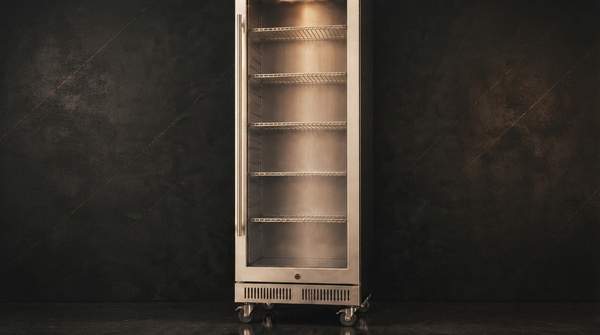
Dry-Aging Beef at Home: A Comparison of Bags, Fridges, and Traditional Setups
Explore the three primary methods for dry-aging beef at home: specialty bags, dedicated refrigerators, and traditional open-air setups. Understand the trade-offs in cost, complexity, and crucial food safety considerations for each approach.
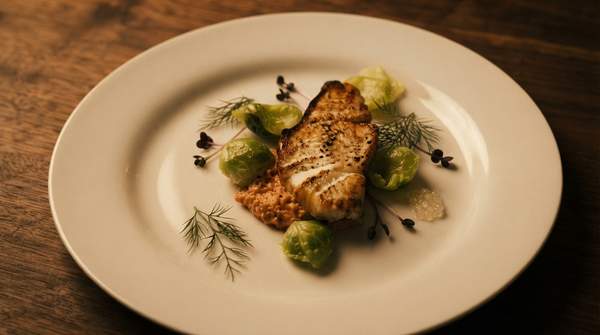
How Michelin Stars Are Really Awarded: The Five Official Criteria
Michelin Stars are awarded exclusively for the quality of food, evaluated against five core criteria: ingredients, flavor mastery, chef's personality, harmony of flavors, and consistency. Factors like decor and service are assessed separately and do not influence star ratings.