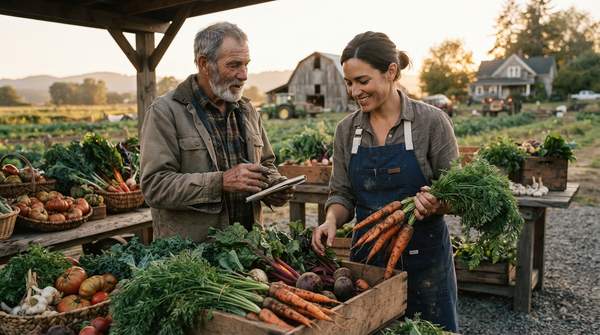
The term "farm-to-table" evokes images of sun-drenched fields and just-picked produce, a direct and wholesome line from the earth to your plate. While this ideal captures the spirit of a movement that began transforming American cuisine roughly 50 years ago, it simplifies the complex operational reality that chefs and restaurateurs navigate. Implementing a true farm-to-table ethos is not a single practice but a choice between distinct sourcing models, each with its own set of benefits and challenges related to cost, consistency, and creativity. At its core, the philosophy challenges the standard restaurant model, which often relies on third-party distributors and wholesalers for ingredients.
In that conventional system, produce may travel long distances, chosen for durability over flavor and potentially grown with synthetic fertilizers or pesticides. The farm-to-table approach, in contrast, is built on shortening that supply chain. It prioritizes freshness, seasonality, and sustainability, fostering a direct connection between the people who grow the food and the communities that enjoy it. This commitment reshapes not just the menu, but the entire operation of a restaurant.
Comparing Farm-to-Table Sourcing Models
Choosing to source locally is the first step. The next is deciding on an operational model that aligns with a restaurant's goals, resources, and tolerance for variability. The primary approaches each present a unique balance of trade-offs between building supplier relationships, maintaining a consistent supply chain, controlling costs, and allowing for menu flexibility. The fast-casual chain Dig Inn, for instance, even announced plans to buy and manage its own farm, not to source all its food, but as a place for education to learn "exactly how things grow," showcasing the deep commitment some brands are making to the local food system.
| Operational Factor | Direct Farm Partnerships | Farmers' Markets & Food Hubs | On-site or Restaurant-Owned Farm |
|---|---|---|---|
| Supplier Relationship | Chefs develop strong, one-on-one connections with specific producers, fostering deep collaboration and mutual benefit. | Allows for interaction with a diverse range of local farmers and artisans in a central location, building broad community ties. | The ultimate direct relationship, with the restaurant team managing cultivation and harvesting from seed to plate. |
| Menu Flexibility | Menus must be highly adaptable to a specific farm's seasonal output and potential crop fluctuations, requiring daily creativity. | Offers high flexibility based on what is available at the market on any given day, encouraging daily specials and spontaneous dishes. | Provides direct control over what is grown, but menus are still strictly bound by regional seasons and harvest cycles. |
| Supply Chain Consistency | Supply can be unpredictable due to weather, pests, or a single farm's capacity, requiring backup sources and nimble planning. | Availability of specific items can vary weekly based on market offerings, demanding adaptable purchasing and menu design. | Potentially consistent for planned crops, but carries the full risk of agricultural challenges like disease or crop failure. |
| Cost Control | Sourcing locally can involve higher price points compared to bulk purchasing from conventional distributors. | Prices are subject to market fluctuations and seasonality, which can impact food cost stability and require price adjustments. | Involves significant capital investment and ongoing operational costs for land, labor, and equipment. |