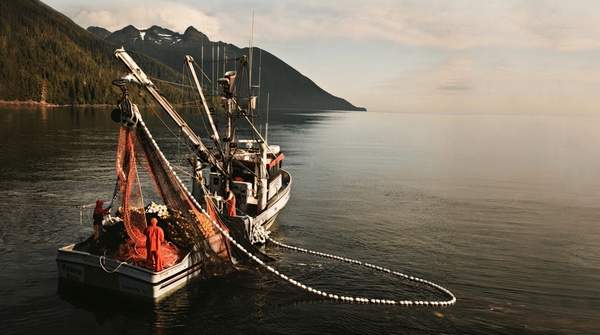
Navigating the seafood counter can be an overwhelming experience for the conscious consumer. Vague labels and a sea of choices often make it difficult to know which options are truly sustainable. While the United States is a global leader in managing its fisheries, a simple "sustainable" sticker on a package may not tell the whole story. To make an informed decision, shoppers need a framework for asking the right questions and looking beyond simple marketing claims.
The key is to move beyond broad assurances and dig into the specifics of where your seafood comes from and how it was produced. According to guidance from Sustainable Fisheries UW, a retailer’s website simply stating “our seafood is sustainable” without providing additional details is a good reason to be skeptical. A truly sustainable choice depends on a number of factors, including whether the fish was wild-caught or farmed, its country of origin, and the real meaning behind any eco-labels it might carry. Understanding these distinctions is the first step toward making a choice that supports healthy oceans.
Where Does Your Seafood Come From? Domestic vs. Imported
One of the most powerful first questions to ask is about the seafood's country of origin. The Natural Resources Defense Council advises that consumers should make their best efforts to buy fish caught in U.S. waters. This recommendation is rooted in the strength and transparency of American fishery management, which provides a strong baseline for sustainability.
The National Oceanic and Atmospheric Administration (NOAA) explains that U.S. seafood is actively managed under a legal system designed to prevent overfishing and rebuild fish stocks. This science-based process allows for restricted harvest levels if a species becomes overfished, ensuring the resource is protected for future generations while keeping responsible fishing communities at work. When you choose domestically caught seafood, you can be assured that it is part of a system with robust oversight. While sustainability is never guaranteed, opting for U.S.-caught fish supports fisheries that are legally bound to these protective measures.
Decoding Eco-Labels and Certifications
Third-party certifications can be a helpful tool for identifying sustainable options, but it is crucial to understand what they signify. One of the most prominent is the Marine Stewardship Council (MSC) blue fish label. The MSC clarifies that this logo indicates the seafood comes from a wild-capture fishery that has been independently certified to its standard for sustainable fishing. With over 1,750 certified products available in the United States and Canada, this label can guide consumers toward fisheries that meet specific environmental criteria for stock health and ecosystem impact.
However, labels are just one piece of the puzzle. It is important to understand what a specific certification covers—and what it does not. The MSC label, for instance, applies to wild-caught seafood, not farmed products. For broader guidance, consumers can also refer to resources like the Monterey Bay Aquarium's Seafood Watch program, which provides science-based recommendations to inform purchasing decisions. These tools, combined with an understanding of origin, help build a more complete picture of a product's journey from water to plate.