For home cooks pursuing the uniquely concentrated, nutty, and tender qualities of dry-aged beef, the journey from a fresh primal cut to a perfectly aged steak involves a critical choice of method. Three main paths are available: using specialty dry-aging bags, investing in a dedicated aging refrigerator, or attempting a traditional open-air setup. Each approach offers a different balance of cost, complexity, and control over the delicate environment required for success. While all methods aim to enhance flavor and tenderness through controlled moisture loss and enzymatic action, they vary dramatically in their ability to manage the food safety risks involved.
Specialty bags provide a protective barrier within a standard refrigerator, making them an accessible starting point. Dedicated units offer precise environmental control that mimics commercial conditions. The traditional method of aging beef uncovered in a domestic fridge, however, is a high-risk endeavor no longer practiced commercially due to significant safety concerns.
Comparative Overview of Home Dry-Aging Methods
Choosing how to dry-age beef at home means weighing the trade-offs between equipment investment, the level of safety control, and the quality of the final product. The following table outlines the key differences between using specialty bags, a dedicated refrigerator, and a traditional do-it-yourself setup in a standard kitchen fridge.
| Method | Required Equipment | Key Safety Controls | Typical Yield Loss | Flavor Profile |
|---|---|---|---|---|
| Specialty Dry-Aging Bags | Semi-permeable membrane bags and a standard domestic refrigerator. | The bag serves as a protective barrier, shielding the meat from external contaminants. This results in lower yeast and mold counts compared to traditional aging. | Yield loss is generally lower than traditional methods. One analysis noted a 2% yield advantage for shell loins aged in bags. | Flavor development is comparable to traditional dry-aging, with no significant differences in key microbial growth like E. coli. |
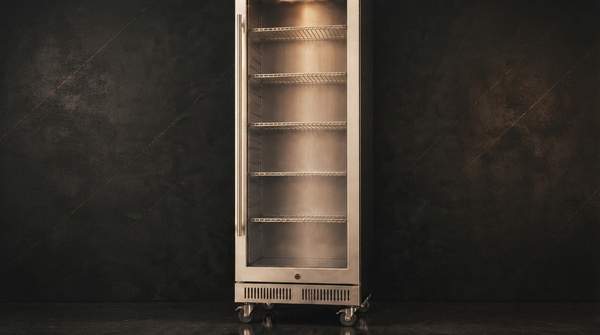
| Dedicated Dry-Aging Refrigerator | A converted mini-fridge or beverage cooler, often with aftermarket fans, digital humidifiers, and precise temperature controllers. A glass door is recommended. | Designed to mimic commercial environments by precisely controlling temperature, humidity, and airflow, which helps sterilize the climate and prevent harmful mold. | Yield loss is managed through precise environmental control, though specific percentages vary based on the setup and aging duration. | Aims to create the most concentrated, dense, and bold flavor profile by providing a stable and optimized aging environment. |
| Traditional Open-Air / DIY Refrigerator Setup | A standard domestic refrigerator with the beef cut left exposed on a wire rack. | This method has minimal controls and poses significant food safety risks due to inconsistent temperatures, poor airflow, and frequent door openings that compromise stability. | Yield loss is typically higher than with bag-based methods due to uncontrolled evaporation and the need for heavier trimming. | Historically associated with a strong, gamy flavor known as Haut Goût. Carries a high risk of developing off-flavors or becoming rancid. |