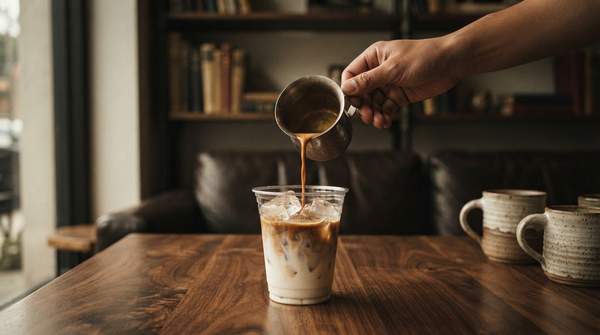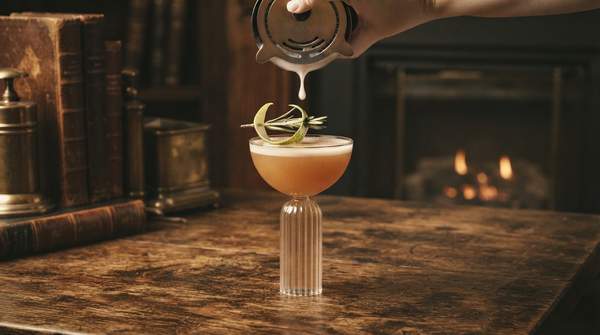
If you want to move beyond shaking and stirring, the practical answer is to pick one of four techniques: fat-washing, sous vide infusion, milk clarification, or forced carbonation. Each changes a different dimension of the drink—aroma, texture, clarity, or fizz—and each demands a different level of equipment and patience. Fat-washing and milk clarification need little more than a freezer and a strainer, sous vide infusion requires an immersion circulator, and carbonation sits somewhere in between depending on whether you use a soda siphon or a keg system.
Introduction to Advanced Mixology at Home
Advanced mixology is no longer the exclusive province of professional bars. Writing for Sipsmith, Claire Bullen describes techniques once reserved for high-end programs—small-scale infusion, low-temperature flavor extraction, even simulated barrel ageing—as genuinely achievable at home with modest gear. A beverage textbook from Nicolet College frames the same shift as a learning process: run controlled experiments, compare a treated spirit against a standard one, and document whether the technique actually improves the drink.
That experimental framing is the right mindset for a home bartender. The four techniques below differ less in prestige than in what they ask of you. Some reward patience, some reward precision, and one mostly rewards a willingness to buy a single piece of equipment. The comparison table later in this article maps all four onto the same criteria so you can match the method to your goal rather than chasing the trendiest option.
Fat-Washing: Adding Richness and Nuance
Fat-washing is often misunderstood as simply "flavoring alcohol with fat," as the Bols Cocktails science guide puts it. In reality, it is a delicate exercise in non-polar extraction: fat-soluble flavor compounds in ingredients like brown butter, coconut oil, or sesame oil dissolve into the spirit, while the fat itself is later removed. The type of fat you choose interacts differently with the ABV of your base spirit, and temperature control is described as the secret to a flawless result.
The practical process is refreshingly simple. The Nicolet College textbook's exercise calls for mixing the spirit with melted fat—bacon fat, butter, or coconut oil—letting it incorporate for several hours at room temperature, freezing it overnight, removing the solidified fat cap, and filtering through a coffee filter if needed. The equipment list is a freezer, a container, and a strainer: nothing specialized, nothing expensive.
One caution from the Bols guide is worth internalizing early. While heat can speed up the infusion, room-temperature infusions are described as far superior for preserving the delicate top notes of the spirit, because heat destroys the volatile aromatics that give premium spirits their bright character. Fat-washing is easy, but it rewards patience—both during the room-temperature infusion and while waiting for the fat to solidify in the freezer.
Sous Vide Infusion: Precision Flavor Extraction
Sous vide infusion brings lab-grade precision to the home bar. The technique uses an immersion circulator to hold a water bath at a precise, gentle temperature while sealed jars of your cocktail or infusion sit in it. Sipsmith's Claire Bullen highlights its most famous application: mimicking barrel ageing without owning a barrel. Her recipe for "barrel-aged" cocktails at home calls for a sous vide machine, tight-sealing glass jars, your pre-mixed cocktail, and smoking wood chips—Negronis are an excellent candidate.
The process itself is straightforward: combine the cocktail ingredients and wood chips in the jars, submerge them in the circulating water bath, and heat gently for several hours. Bullen's verdict is that you end up with cocktails of remarkable nuance and complexity "in almost no time at all"—a fraction of the months a real barrel would demand.
The trade-off is equipment and attention. Beyond the circulator, you need heat-safe, tight-sealing jars, and the method requires monitoring temperature and sealing. The difficulty is moderate: more demanding than fat-washing, but the payoff is consistent, controlled extraction with minimal loss of volatile aromas, since the temperatures stay far below what would boil them off.
Milk Clarification: Achieving Crystal Clarity and Smoothness
Clarification is where liquid chemistry truly shines, as the Bols guide puts it—and where choosing the wrong method can ruin a batch. The guide outlines a clarification matrix that includes centrifugation, agar, and milk washing. For the home bartender, milk clarification is the accessible entry point: the equipment is basic kitchen gear—a strainer, cheesecloth, and containers—rather than the professional centrifuge this article deliberately excludes.
The science behind milk washing is coagulation. When milk is introduced to an acidic or high-proof liquid, its proteins curdle and bind to unwanted particles—tannins, pigments, and other solids—dragging them out of suspension as the curds form. Strain those curds away and you are left with a liquid that is strikingly clear, with a smoother, softer mouthfeel than the original. The technique suits clarified punches and milk-washed versions of citrus- or tannin-heavy drinks, where clarity and texture are the point.
It is the most chemically finicky of the four techniques here. The Bols guide's warning that the wrong clarification method can ruin a batch is worth taking seriously: ratios and timing matter, and a failed coagulation means starting over. Budget a first attempt as an experiment, not a guaranteed batch.
Forced Carbonation: The Sparkle of Innovation
Carbonation changes a drink's texture more than its flavor. Bartenders Business describes it as creating fizzy, effervescent beverages with a dynamic texture and a compelling sensory experience, noting that the process enriches the flavor experience by increasing aromatics and refreshing acidity. The entry-level tool is the soda siphon or CO₂ canister, which lets a home bartender carbonate a finished cocktail directly.
The Nicolet College textbook treats carbonation method as a variable worth testing in its own right: carbonate the same cocktail with a soda siphon, with forced carbonation in a small keg if the equipment is available, or with champagne added for fizz, then compare bubble size, persistence, and integration with the cocktail. The lesson is that the method matters—quality carbonation is distinguishable from inferior methods once you taste them side by side.
Independent testing supports the siphon as a reasonable starting point. TechGearLab, reviewing soda makers, tested ten leading machines for over eight hours each, carbonating more than 13 gallons of liquid per model across water, juice, and wine, and found that many machines make comparable sparkling water, with differences in bubble fineness that became nominal once the tester was practiced with each machine. The implication for cocktails: technique and practice matter at least as much as the specific siphon you buy.
Advanced Mixology Techniques at a Glance
The table below maps all four techniques onto the same three criteria—primary effect, required equipment, and relative difficulty and time—drawing on the sources described above. Read it as a decision aid: find the effect you want in the first column, then check whether the equipment and effort in the adjacent columns fit your kitchen and schedule.
| Technique | Primary Effect | Required Equipment | Relative Difficulty and Time |
|---|---|---|---|
| Fat-washing | Extracts fat-soluble compounds for rich, savory, or nuanced flavor and a velvety mouthfeel, via non-polar extraction | Freezer, container, strainer, coffee filter—no specialized gear | Easy; several hours at room temperature plus an overnight freeze, and patience while the fat solidifies |
| Sous vide infusion | Clean, consistent flavor extraction with minimal loss of volatile aromas; can mimic barrel ageing with wood chips | Immersion circulator, tight-sealing glass jars, wood chips or staves for ageing mimicry | Moderate; demands attention to temperature and sealing, but delivers results in hours rather than months |
| Milk clarification | Coagulated milk proteins bind unwanted particles, yielding crystal-clear liquid and a smoother mouthfeel | Strainer, cheesecloth, containers—basic kitchen tools | Moderate to finicky; ratios and timing matter, and a failed coagulation can ruin the batch |
| Forced carbonation | Effervescence that adds dynamic texture and increases aromatics and refreshing acidity | Soda siphon or CO₂ canister; a small keg system for more controlled forced carbonation | Easy to start with a siphon; keg-based carbonation adds equipment and setup but finer control |
Two patterns emerge from the comparison. First, the two cheapest techniques—fat-washing and milk clarification—buy the biggest changes in texture and appearance, while the two equipment-driven ones buy speed and consistency. Second, difficulty here is mostly about control, not skill: fat-washing and siphon carbonation forgive imprecision, whereas sous vide temperatures and clarification chemistry do not.
Making Your Choice: Elevating Your Home Bar
The decision is straightforward: choose an advanced cocktail technique based on your desired flavor or texture outcome, available equipment, and willingness to invest time and effort. If you own nothing beyond a freezer and a strainer, start with fat-washing. If you want visual drama and silky texture and accept some chemistry risk, try milk clarification. If you already own or will buy an immersion circulator, sous vide infusion offers the fastest route to complex, "aged" flavors. If texture and refreshment are the goal, a soda siphon is the lowest-friction entry point.
Whatever you choose, run it as the textbook suggests: make one drink with the treated component and one with the standard version, and taste them side by side. The measurable indicator of success is the successful application of your chosen technique, evidenced by improved cocktail clarity, enhanced flavor profiles, or novel textures in home-prepared drinks, as perceived by you, the home bartender. When you can taste the difference in that side-by-side glass, the technique has earned its place in your repertoire.
Sources
- Advanced Bartending Techniques to Try Now — Sipsmith
- Nicoletcollege
- The science of master mixology: Advanced cocktail innovation for profe — Bols Cocktails
- 15 Advanced Mixology Techniques Every Bartender Must Try — Bartenders Business
- The Best Soda Maker — TechGearLab