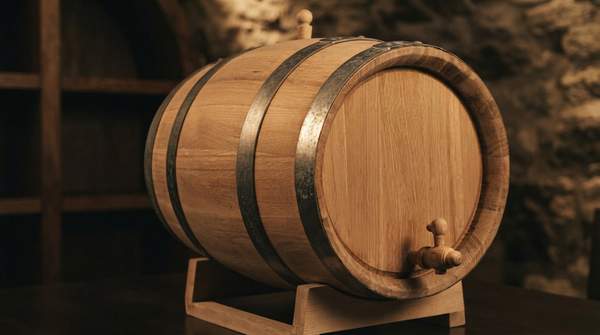
Every bottle of vinegar tells a two-part biochemical story. First, yeast turns sugar into alcohol; then, acetic acid bacteria turn that alcohol into the sour acid we know as vinegar. What makes a red wine vinegar taste nothing like a traditional Chinese cereal vinegar is everything that surrounds those two steps: the raw material, the microbes at work, and whether the finished liquid ever touched a wooden barrel. Trace those inputs, and you can predict the flavor in your glass.
The Two-Stage Journey: From Sugar to Acetic Acid
Vinegar is essentially a dilute solution of acetic acid in water—typically 4% to 18% acetic acid by volume—plus a trace cast of other compounds that carry most of the aroma. The acid itself comes from a double fermentation. Sugars in the raw material are first converted to ethanol by yeast, and the ethanol is then oxidized to acetic acid by acetic acid bacteria, the key microorganisms of the second stage.
That second stage is where the sourness is born, but it is not where the flavor ends. As a review of wine vinegar production explains, the quality of the finished product results from four factors working together: the raw material, the metabolism of the acetic acid bacteria, the interaction between vinegar and barrel wood, and the aging process that integrates all of these. In other words, the bacteria do more than make acid—they perform additional transformations, mostly oxidation reactions but also ester formation, layered on top of the basic ethanol-to-acetic-acid conversion.
Fruit Vinegar: A Symphony of Esters and Alcohols
Fruit vinegars—wine vinegar, apple cider vinegar, and their relatives—start with a head start: fruit juice arrives rich in fermentable sugars, ready for yeast with no preliminary conversion. Fruit vinegar is produced from fruits or fruit-processing by-products through microbial fermentation, typically using liquid fermentation technology, and it carries a distinctive flavor profile along with bioactive compounds.
The flavor character comes from the secondary compounds that accumulate alongside the acetic acid. Esters such as ethyl acetate and isoamyl acetate impart floral and fruity aromas, while aldehydes like acetaldehyde and diacetyl contribute a fruity, wine-like fragrance. Different microorganisms produce distinct fermentation products, which is precisely why one fruit vinegar can taste subtly different from another made the same way.
A striking example comes from research on persimmon vinegar, where pyrazine compounds—unique fermentation products of a yeast strain identified as S. delbrueckii (DSM 70483)—were found to contribute a nutty aroma and baking-like character to the final product. The microbe, not just the fruit, is a flavor author.