
Maya Patel
Editorial byline
Maya Patel is an editorial byline for Favorite Foods & Drinks, with a focus on Seasonal Recipes, Kitchen & Gear Reviews, Step-by-Step Cooking Guides. Biographical credentials and external profiles are published only after verification.
Learn more about our editorial process and use of automation in our AI & Automation disclosure.
Coverage Areas
Latest Articles
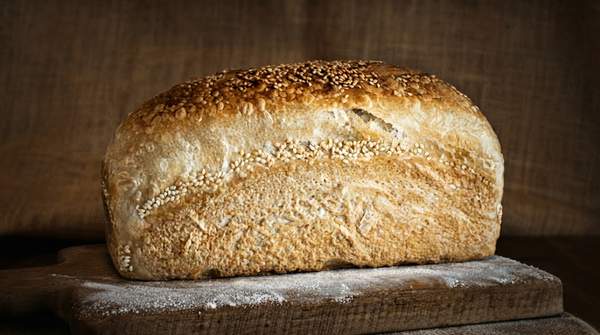
How to Control Sourdough Flavor: The Science of Temperature, Time, and Flour
Control your sourdough's flavor by understanding how fermentation temperature, time, and flour choice influence the production of lactic and acetic acids, and aromatic compounds.
Nov 8, 2026 · 4 min read

Two Scientific Routes to Flavor Pairing: Shared Aromas and Balanced Tastes
Explore two scientific strategies for sophisticated food and drink pairings: congruent pairing based on shared aromatic compounds for harmony, and complementary pairing based on balancing tastes for contrast. Learn how to deliberately craft pairings for harmony, balance, or perceptual emergence.
Nov 8, 2026 · 5 min read
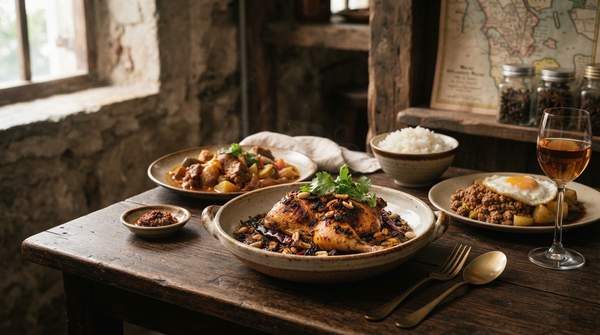
Macanese Cuisine: How a 16th-Century Trading Post Created the World's First Fusion Food
Macanese cuisine, recognized as the world's first fusion or Creole food, emerged in 16th-century Macau. It uniquely blends Portuguese, Chinese, and Spice Route ingredients and techniques, evolving over centuries into a distinct culinary tradition.
Nov 7, 2026 · 6 min read
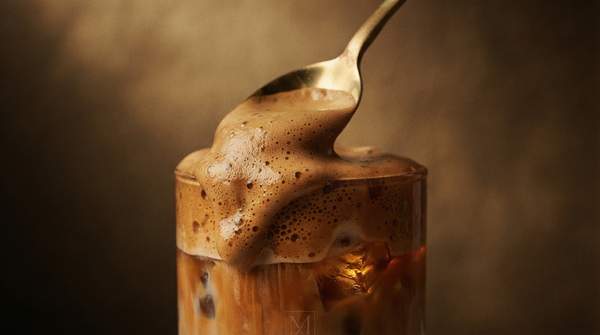
Oat, Soy, or Almond? Choosing the Right Plant Milk for Your Coffee and Kitchen
Choosing between oat, soy, and almond milk for coffee and cooking depends on desired texture and stability: oat milk excels in frothy hot drinks and sauces, soy milk offers a balanced, heat-stable option with a distinct flavor, and almond milk is ideal for light iced beverages and neutral cooking.
Nov 5, 2026 · 4 min read
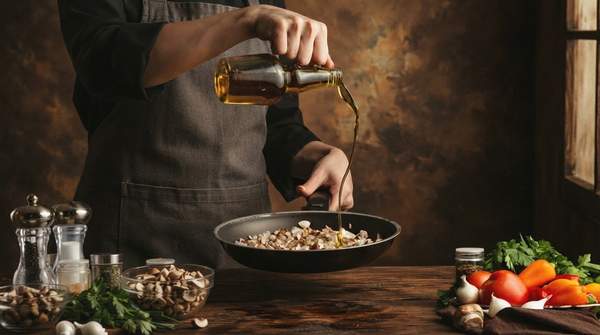
Which Olive Oil Should You Cook With? A Practical Guide to the Four Types on Store Shelves
Extra virgin olive oil is the most versatile kitchen staple, suitable for dressings, finishing, sautéing, roasting, and baking. "Pure" and light-tasting oils offer milder, neutral choices for everyday cooking where olive flavor isn't desired, while virgin olive oil sits between them with a milder taste.
Nov 1, 2026 · 4 min read
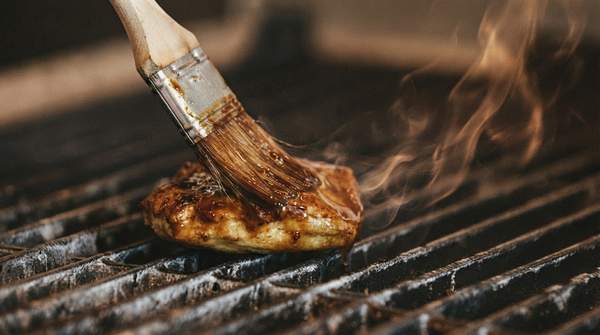
Connective Tissue Is the Boss: How to Pick the Right Cooking Method for Any Cut of Meat
The core principle for cooking meat is matching the method to the cut's connective tissue content: high-collagen cuts need low, slow, moist heat to become tender, while low-collagen cuts benefit from fast, dry heat to remain juicy. Understanding meat anatomy allows you to choose the right cooking strategy without relying solely on recipes.
Oct 29, 2026 · 5 min read
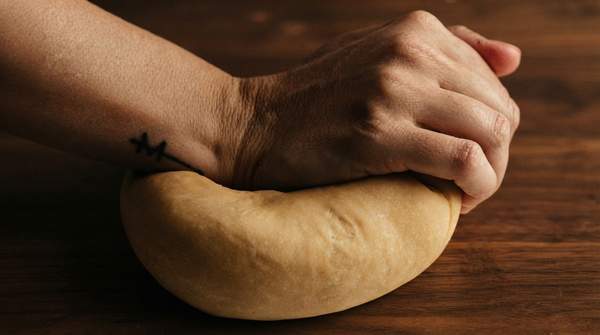
How Water, Flour and Kneading Build the Gluten Network That Controls Your Pasta
Fresh pasta dough's texture is controlled by the gluten network formed from flour proteins and water. Understanding the science of ingredients and processes like kneading and resting helps master dough consistency and troubleshoot problems.
Oct 27, 2026 · 4 min read
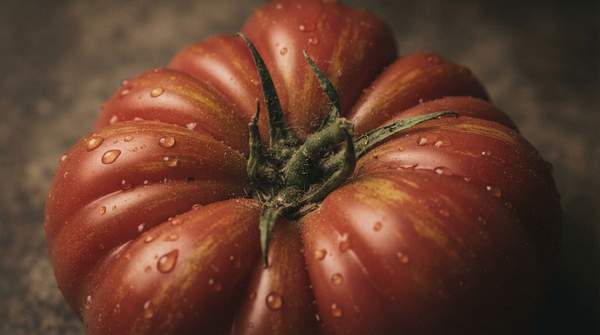
5 Heirloom Vegetables Worth Cooking With — and What Each One Does Best
Discover the unique flavors and textures of heirloom vegetables, from San Marzano tomatoes perfect for sauce to beefsteak varieties ideal for fresh slicing. Learn how to select specific heirloom types like Jimmy Nardello peppers and different beans to elevate your culinary creations.
Oct 23, 2026 · 4 min read
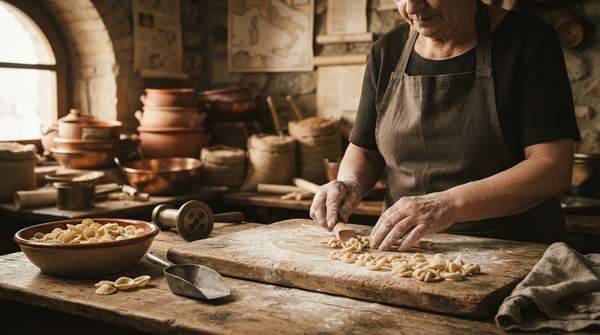
From Ancient Noodles to Global Staple: The Real Timeline of Pasta
Pasta's journey to a global staple is a complex, two-thousand-year evolution, not a single invention or a tale of Marco Polo. It encompasses ancient noodle precursors, Arab trade, medieval drying techniques, Italian regional development, and industrial mass production.
Oct 22, 2026 · 4 min read

Diagnose Your Camp Kitchen Problem Before You Buy: The Upgrade That Actually Fixes It
Identify your specific camp kitchen frustration—be it disorganization, lack of prep space, or poor cooking results—before buying an upgrade. The most impactful solution is the one that directly addresses your pain point.
Oct 22, 2026 · 5 min read
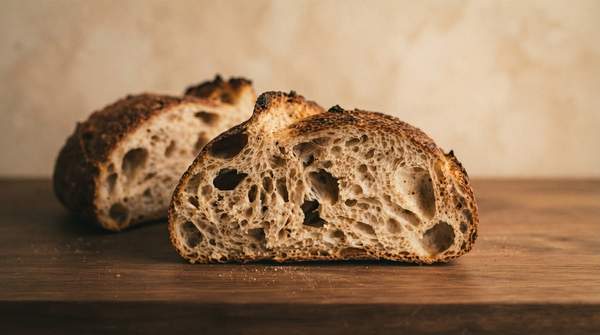
Bread Flour, Whole Wheat, or Rye? How Your Flour Choice Shapes Your Sourdough
Choosing the right flour—bread, whole wheat, or rye—is crucial for shaping your sourdough's crumb structure, fermentation speed, and flavor. Understanding how protein, hydration components, and enzymes interact will help you achieve your desired loaf.
Oct 19, 2026 · 5 min read
From Sugar to Sour: How Fermentation Builds Vinegar's Flavor
Vinegar's flavor originates from a two-stage fermentation: yeast converting sugars to alcohol, followed by acetic acid bacteria oxidizing alcohol into acetic acid. The distinct tastes of fruit versus cereal vinegars, and the impact of aging, stem from raw materials, microbial diversity, and secondary compounds.
Oct 18, 2026 · 4 min read
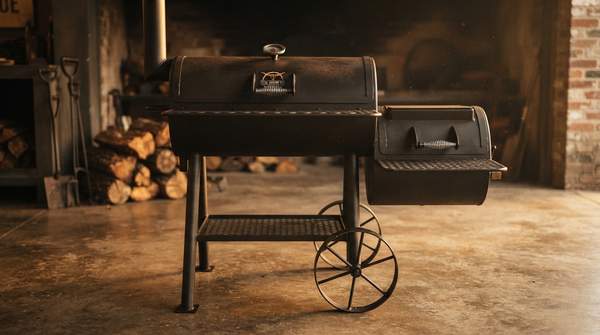
Four American BBQ Styles, One Table: How to Tell Texas, Kansas City, Memphis, and the Carolinas Apart
Explore the distinct characteristics of four major American BBQ styles: Texas, Kansas City, Memphis, and the Carolinas. Understand how primary meats, signature sauces, and cooking philosophies set these regional traditions apart.
Oct 17, 2026 · 5 min read

How to Read Restaurant Reviews Like a Critic: What to Trust, What to Toss, and Why It Matters
Master the art of reading restaurant reviews by distinguishing between professional critics and user-generated content, and learn to identify unreliable feedback to make informed dining decisions.
Oct 14, 2026 · 4 min read
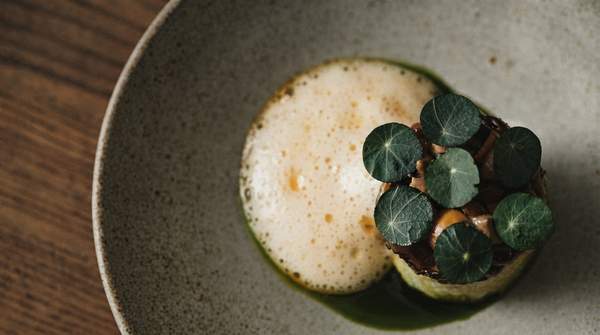
Five Kitchens, Three Philosophies: How Michelin-Level Vegan Dining Split Into Distinct Schools
Michelin-level vegan dining has evolved into distinct philosophical schools, including hyper-local farm-driven cuisine, ingredient-led innovation, and global flavor fusion. Understanding these approaches maps the future of high-end plant-based cooking.
Oct 14, 2026 · 4 min read
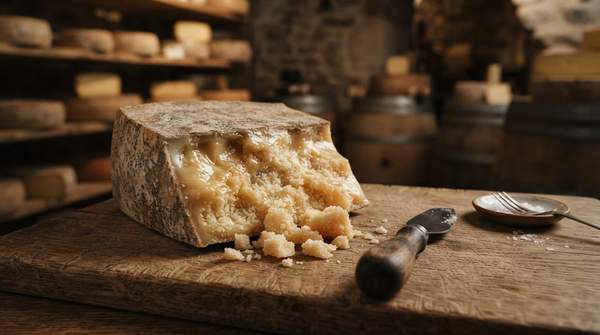
Proteolysis and Lipolysis: The Two Biochemical Engines Behind Artisanal Cheese Flavor and Texture
Artisanal cheese flavor and texture are shaped by two primary biochemical processes: proteolysis, the breakdown of milk proteins into savory peptides and amino acids, and lipolysis, the breakdown of milk fats into aromatic free fatty acids. These enzymatic and microbial pathways, acting on milk components, create the vast diversity found in cheese.
Oct 14, 2026 · 5 min read
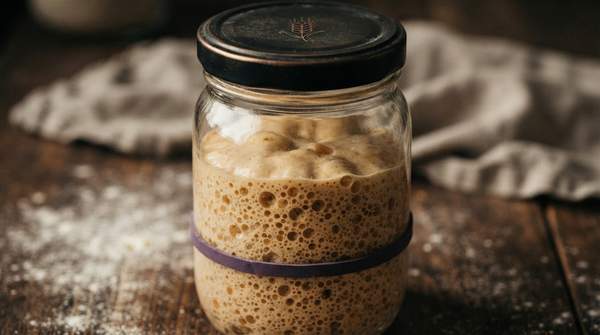
Sour, Tangy, Fruity: Decoding the Microbes in Your Sourdough Starter
The characteristic tangy taste and rich aroma of sourdough bread are the work of a symbiotic community of lactic acid bacteria and wild yeasts in the starter. These microbes ferment flour and water, producing acids, alcohols, and esters that define the bread's unique flavor profile.
Oct 12, 2026 · 3 min read
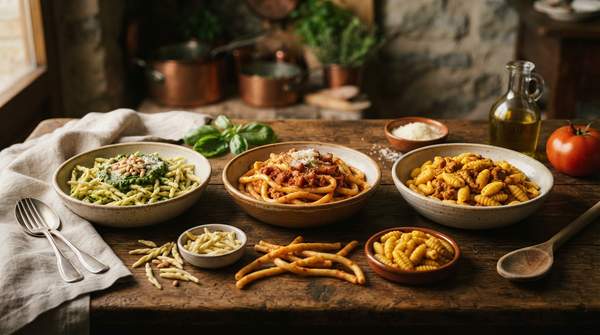
Three Regional Pastas and the Secrets Behind Their Perfect Pairings
Italian pasta shapes are intentionally engineered to perfectly complement their sauces, a principle evident in regional specialties like Ligurian trofie for pesto, Tuscan pici for ragù, and Sardinian malloreddus for chunky sauces. Understanding this functional relationship between pasta form and sauce is key to mastering authentic Italian cuisine.
Oct 11, 2026 · 4 min read
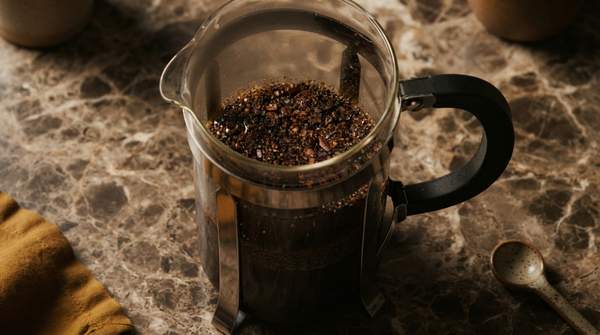
Mastering Your French Press: A Guide to Optimal Flavor
Master your French press coffee brewing by understanding and adjusting key variables like grind size, water temperature, and steep time. This guide helps you control extraction for optimal flavor, body, and strength, and troubleshoot common brewing issues.
Sep 30, 2026 · 4 min read
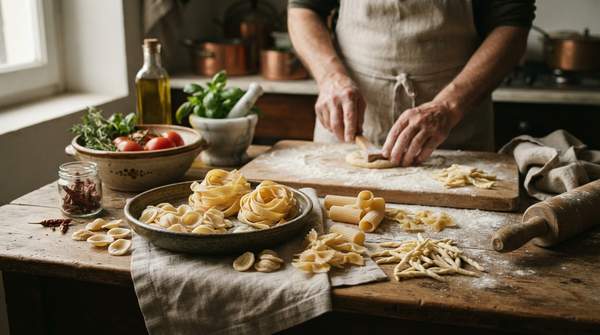
The Art of Italian Pasta: Regional Shapes, History, and Perfect Pairings
Italian pasta is a culinary art form deeply rooted in regional diversity, with unique shapes intentionally designed to complement local ingredients and traditions. Understanding the history, functional design, and cultural pairings of these pasta shapes enhances the appreciation of authentic Italian cuisine.
Sep 29, 2026 · 6 min read