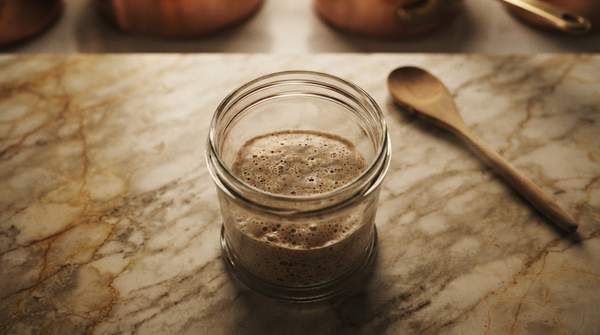
If your coffee tastes flat, sour, or chalky no matter how carefully you brew, your water is the first thing I'd suspect. Water is coffee's largest ingredient, and its mineral content directly shapes what gets extracted from your grounds. The good news: you can diagnose most water-related flavor flaws from taste alone, and fix them with accessible home methods.
Here's the short version. Flat, weak coffee usually means your water is too soft—too few minerals to pull flavor from the grounds. Harshly sour coffee often points to low alkalinity, meaning the water can't buffer the coffee's natural acids. Bitter, chalky, dull coffee typically means your water is too hard, overloaded with minerals that over-extract harsh compounds and mute the bean's nuance. Once you've matched your symptom to its cause, the fix ranges from a simple carbon filter to building your own mineral recipe.
Key Water Chemistry Factors: Hardness, Alkalinity, and Minerals
Three players matter most. Calcium enhances extraction and contributes to mouthfeel, but in excess it causes scale buildup and dull flavors. Magnesium is widely considered the most flavor-friendly mineral, boosting sweetness and clarity. Bicarbonates act as buffers against acidity—too little and coffee turns sharply sour; too much and the buffer neutralizes the brightness entirely, leaving the cup flat.
It's worth separating two terms people often confuse. Coffee professional Scott Rao points out that "alkalinity" and "alkaline" mean different things, and that the industry's historical obsession with total dissolved solids (TDS) has created a misguided belief that a reasonable TDS reading automatically means water is good for coffee. What matters is the specific balance of minerals, not the overall concentration.
Alkalinity deserves special attention: it's the primary factor in buffering coffee's acidity, and its effect is distinct from the water's pH. A water report showing a neutral pH tells you little about how your brew will taste if the bicarbonate level is wrong. Rao also notes that machine manufacturers tend to focus on avoiding scale rather than optimizing flavor—two concerns that pull in different directions, since the mineral levels that taste best aren't always the ones that protect your kettle.
Hardness itself is simply the concentration of dissolved minerals, mainly calcium and magnesium. The goal is balance—not extreme softness or hardness. Water at either extreme causes problems: mineral-free water is "aggressive" in its extraction, while mineral-saturated water has no chemical "room" left to absorb flavor compounds from your grounds.
Diagnose Your Coffee's Taste: A Water Chemistry Framework
Use this table to trace your symptom back to its likely chemical cause, then jump to the matching solution. The reasoning is straightforward: each taste flaw corresponds to a specific imbalance, and each imbalance has a known correction.
| Observed Taste Problem | Likely Water Issue | Impact on Flavor | Recommended Solution |
|---|---|---|---|
| Flat, weak coffee with thin body | Water too soft—insufficient calcium and magnesium | Soft water struggles to extract desirable compounds effectively, leaving the cup lifeless | Add minerals to distilled or purified water using custom recipes or mineral packets for precise control |
| Excessively sour or sharp coffee | Low alkalinity—insufficient buffering against coffee's natural acids | Acidity runs unchecked; this is unpleasant sharpness, not pleasant brightness | Increase alkalinity with mineral additives or choose bottled water with a suitable mineral profile |
| Bitter, chalky, or dull coffee | Water too hard—excess calcium and bicarbonates | Over-saturated water lacks chemical "room" to absorb flavor compounds, muting nuance and over-extracting bitterness | Soften the water or switch to a lower-mineral source |
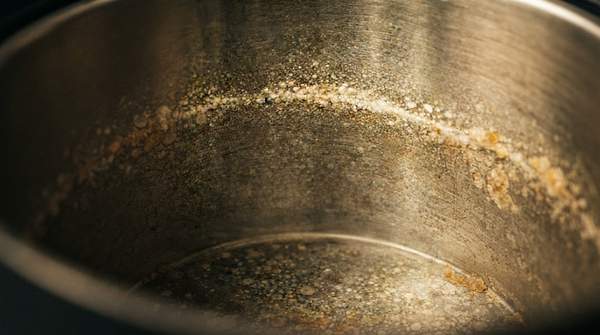
Two cautions when using this framework. First, these are the most common patterns, not guarantees—other brewing variables like grind size and extraction time also affect taste, so water isn't always the culprit. Second, hard water doesn't just dull flavor; it also causes rapid limescale buildup that damages brewing equipment over time, so fixing it protects your gear as well as your cup.
Notice that the sour row is about alkalinity, not pH. This is the single most useful insight in water chemistry for coffee: a cup that's aggressively sour usually means your water lacks bicarbonates to buffer the coffee's natural acids, regardless of what the pH number on your water report says.
Home Solutions for Optimal Brewing Water
You have three accessible options, each suited to a different diagnosis. Carbon filters (like pitcher filters) remove chlorine and odors—the simplest upgrade if your water tastes fine mineral-wise but carries tap-water off-flavors. Softening filters reduce scale risk if hardness is your problem. Mineral packets offer the most precise control: you start with distilled or purified water and build the mineral profile yourself, which is exactly what you want for flat, under-extracted coffee.
Bottled water works as a temporary solution while you figure out a longer-term approach. The key is choosing one with a mineral profile that matches your diagnosis—spring waters vary widely in hardness and alkalinity, so read the label rather than grabbing whatever is cheapest. A water that fixed your neighbor's bitter coffee could make yours worse if your problem runs the other direction.
Many cafés engineer their water specifically for coffee, and home brewers can now do the same. The barrier to entry is lower than most people assume: mineral packets and distilled water are available at ordinary grocery stores, and no lab equipment is required to get started.
One honest limitation: the evidence on each method's effectiveness, cost, and convenience varies in depth. Filters and bottled water are well-trodden paths; custom mineral recipes demand more effort but give you the tightest control over your final cup. The right choice depends on how much tinkering you enjoy.
Choosing the Right Water Treatment for Your Brew
Match the tool to the diagnosis. If your coffee tastes flat and weak, don't buy a filter—filters remove things, and your problem is absence. You need to add minerals, which means mineral packets or a custom recipe built on distilled water. If your coffee is harshly sour, you need more alkalinity; a mineral additive or a bottled water with higher bicarbonate content addresses it. If your coffee is bitter, chalky, or your kettle is furring up with limescale, your water is too hard—soften it or switch sources.
If you don't know your starting point, look up your city's water quality report, a step Rao recommends for home brewers. It tells you your hardness and alkalinity baseline so you're treating a known problem rather than guessing. And if your tap water's only flaw is chlorine, a simple carbon filter may be all you need.
Start small and cheap. A carbon filter costs little and solves the most common tap-water complaint. Only escalate to mineral packets or custom recipes when you've confirmed the problem is mineral balance—either through your water report or through the taste patterns in the table above.
Achieving Your Ideal Brew: A Continuous Journey
Water optimization is iterative, not a one-time fix. Regularly assess your coffee's flavor and adjust your water treatment method to maintain optimal taste. Change one variable at a time—adjust alkalinity, then hardness—so you can tell what actually improved the cup.
The measurable indicator of success is a consistent, balanced, and desirable flavor profile in your brewed coffee: free from flatness, excessive sourness, or bitterness. As Barista Magazine's Angel Castillo puts it, paying attention to water chemistry may be the difference between a flat cup and one with clarity, sweetness, and complexity.
Once your water is right, every other variable—grind size, extraction time, flavor balance—becomes easier to control. Don't upgrade your machine first; upgrade your water. It's the cheapest, most overlooked improvement available to a home brewer, and the one you'll taste in every single cup.