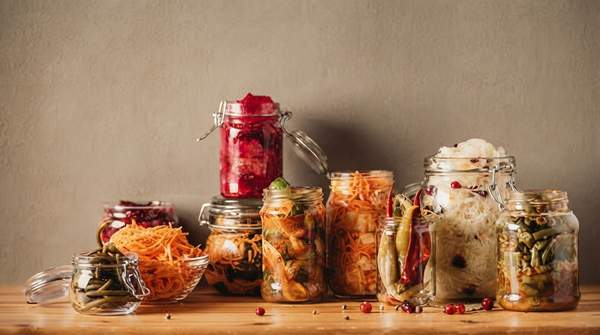
Every tangy jar of sauerkraut and every bubbling bottle of kombucha comes down to one thing: microbes eating sugar and leaving flavor behind. Three fermentation types matter most to home cooks—lactic acid, alcoholic, and acetic acid—and each is driven by a different microorganism doing different chemistry. Lactic acid bacteria like Lactobacillus turn sugar into sour lactic acid; yeasts like Saccharomyces cerevisiae turn sugar into ethanol and carbon dioxide; and acetic acid bacteria like Acetobacter turn alcohol into vinegar's sharp bite. Once you can tell these processes apart, you can read any ferment and predict what it will taste like.
Lactic Acid Fermentation: The Tangy Transformation
Lactic acid fermentation is the workhorse of the vegetable world. Lactic acid bacteria—chiefly Lactobacillus, along with Leuconostoc, Pediococcus, and Streptococcus species—convert the sugars naturally present in food into lactic acid. That acid is what gives yogurt its tang, pickles their pucker, and sauerkraut its bright sourness. It also lowers the pH of the food, which is exactly why fermentation works as a preservation technique: the acidic environment inhibits spoilage bacteria and pathogens.
Here's a wrinkle worth knowing: lactic acid bacteria come in two flavors of metabolism. Homofermentative strains (Lactobacillus, Streptococcus) produce mainly lactic acid—think yogurt and cheese. Heterofermentative strains (Leuconostoc, some Lactobacillus, Pediococcus) produce lactic acid plus carbon dioxide and ethanol, which is why a jar of fermenting sauerkraut or kimchi bubbles even though no yeast was ever added. The specific byproducts depend on the bacterial species and the conditions in your jar.
For home cooks, the practical takeaway is that the accumulation of lactic acid is responsible for both the sour taste and the preserving effect. Sauerkraut, kimchi, pickles, yogurt, cheese, and sourdough all rely on lactic acid bacteria for their distinct profiles.
Alcoholic Fermentation: Bubbles and Bread
Alcoholic fermentation is yeast's show. Saccharomyces cerevisiae, the same species behind bread, beer, wine, cider, and mead, converts sugars into ethanol and carbon dioxide under anaerobic conditions. In beer and wine, the ethanol is the point; in bread, the alcohol mostly evaporates in the oven while the carbon dioxide does the leavening, lifting the crumb into an airy structure.
Yeast contributes more than just ethanol and gas. It also converts sugar into other acids and produces aromatic compounds like esters and higher alcohols that shape the aroma and flavor of bread and beer alike. That's why a long-fermented dough develops a more complex smell than a quick one—the yeast has had time to build up these secondary compounds.
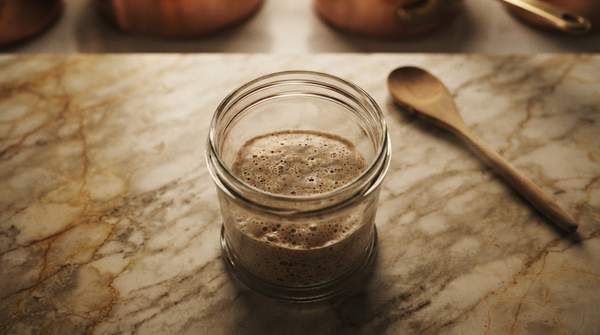
When you see bubbles in a starter or hear the fizz of a fermenting cider, you're watching alcoholic fermentation in real time: sugar going in, ethanol and CO2 coming out.
Acetic Acid Fermentation: The Sour Finish
Acetic acid fermentation is the sequel to alcoholic fermentation. Acetobacter and Gluconobacter bacteria take ethanol—the output of yeast—and oxidize it into acetic acid, the compound that defines vinegar. This is why vinegar and kombucha, jun, and water kefir sit in this category: several substrates are converted into acetic acid by these acetic acid bacteria.
The flavor signature is unmistakable: sharp, sour, and pungent. Where lactic acid gives a clean, yogurt-like tang, acetic acid bites harder and smells sharper—think of the difference between sour cream and vinegar. In kombucha, this sourness balances the sweetness of the tea, and the process depends entirely on the alcohol yeast produced first.
Fermentation in Concert: Complex Flavors from Microbial Partnerships
The most interesting ferments are rarely single-microbe affairs. Kombucha is a two-stage story: yeast first converts sugar into ethanol and carbon dioxide, then acetic acid bacteria convert that ethanol into acetic acid. Both processes happen in the same jar, which is why kombucha is simultaneously slightly fizzy (yeast's CO2) and tangy (Acetobacter's acid).
Sourdough is a partnership between bacteria and yeast. Lactic acid bacteria sour the dough while yeasts produce the gas that leavens it—two fermentation types running side by side in one bowl. This is why sourdough tastes both sour and yeasty, with a texture no quick bread can match.
Once you see ferments as microbial collaborations, the flavor logic clicks into place: the tang comes from acid producers, the lift and fizz come from gas producers, and the depth comes from their secondary metabolites.
Fermentation Types at a Glance: Microbes, Processes, and Flavors
Use this table as a quick reference to identify the fermentation type, key microbes, metabolic outputs, and expected flavor and texture for whatever is bubbling on your counter.
| Fermentation Type | Primary Microorganisms | Metabolic Process (Input → Output) | Primary Flavor/Texture Contribution | Example Foods |
|---|---|---|---|---|
| Lactic Acid | Lactobacillus, Leuconostoc, Pediococcus, Streptococcus (lactic acid bacteria) | Sugars → lactic acid; heterofermentative strains also produce CO2 and ethanol | Sour, tangy taste; lowers pH, which preserves food and inhibits spoilage | Yogurt, cheese, pickles, sauerkraut, kimchi, sourdough |
| Alcoholic | Yeast, especially Saccharomyces cerevisiae | Sugars → ethanol and CO2 (anaerobic); also esters and higher alcohols | Leavening and fizz from CO2; aromatic complexity from esters | Bread, beer, wine, cider, mead |
| Acetic Acid | Acetobacter, Gluconobacter (acetic acid bacteria) | Alcohol → acetic acid | Sharp, vinegary sourness | Vinegar, kombucha, jun, water kefir |
Reading the table row by row reveals the pattern: different microbial agents convert different inputs into distinct outputs, and those outputs are the flavors. Lactobacillus turns sugar into acid; yeast turns sugar into alcohol and gas; Acetobacter turns that alcohol into vinegar. Same raw material, three completely different destinations.
Mastering Fermentation: Observing the Microbial Dance
You can intentionally influence your ferments by learning to read the signs of which microbes are working. The presence of specific aromas—sour, yeasty, or vinegary—along with texture changes like softening or leavening, and visible activity like bubbles or pellicle formation, tells you which fermentation types are active in your jar.
My advice: next time you ferment, smell and look daily. A sour, clean tang means lactic acid bacteria are winning; fizz means yeast is producing CO2; a vinegary edge means acetic acid bacteria have joined the party. That observation loop—aroma, texture, visible activity—is your window into the microbial dance, and it's the skill that turns fermentation from luck into craft.