Ask most diners what a sommelier does and they will describe someone who recommends a bottle, decants it, and disappears. That picture is not wrong, but it is incomplete. The modern sommelier has evolved into a strategist, educator, and business manager whose portfolio stretches well beyond wine into beer, sake, cocktails, spirits, and even non-alcoholic pairings. Understanding that shift—and the career titles that come with it—is the key to understanding the profession today.
The Sommelier's Evolution: From Wine Expert to Beverage Director
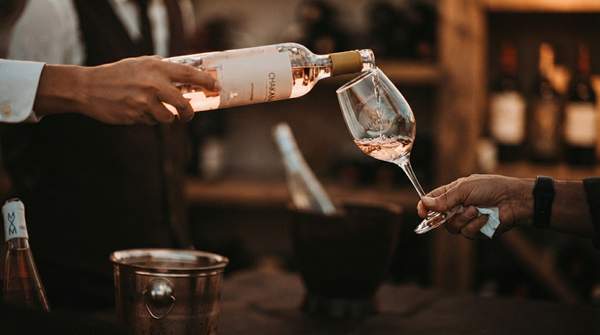
The traditional role, as the Court of Master Sommeliers Americas describes it, centers on curating wine lists, assisting diners with selections, and ensuring impeccable wine service in a restaurant setting. It is a role built for the fast-paced, high-intensity environment of a busy dining room, and it remains a respected and demanding craft. What has changed is the perimeter around it.
Today's sommeliers, according to the Institute of Culinary Education, are "educators, strategists, and leaders within their organizations." Marvella Castaneda, a former sommelier at Signia by Hilton Atlanta who is now wine director at the Capital City Club, puts it plainly: "Working as a sommelier at Hilton is more than just selecting wines — it's about leadership, team management, and navigating a large-scale hospitality operation." The title on the business card may still say sommelier, but the job has become something considerably larger.