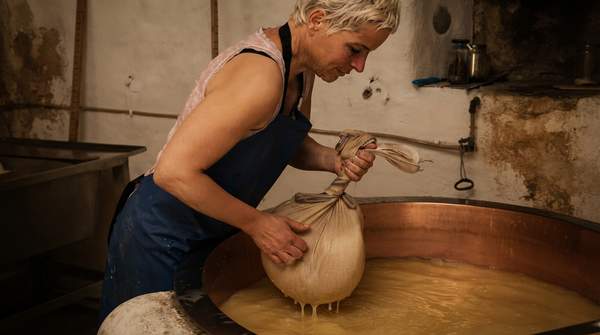
A modern cheesemonger is far more than a person who cuts and wraps cheese. In a specialty shop, the job blends teaching, tasting guidance, meticulous care of a living product, and the quiet operational work that keeps a retail business running. The role also carries a cultural mission: the monger is the bridge between the artisan producer and the customer, translating the farm into the city. Here is how the work actually breaks down, and what it takes to do it well.
The Modern Cheesemonger: More Than Just Sales
Walk up to a well-run cheese counter and you are not meeting a cashier. You are meeting someone who can tell you what is at its peak today, how a wheel was made, and who made it. John Antonelli, writing for his family's cheese shop, describes mongers as people who "weave impassioned stories of the cheeses they sell with the producers who spend their days perfecting them." The Academy of Cheese, a UK-based industry education body, frames the same idea practically: mongers are "gatekeepers to a world of cheese secrets," matching a customer's taste to the right cheese with a few simple questions. The profession has grown into a genuine specialty trade, and its duties fall into three distinct functional areas.