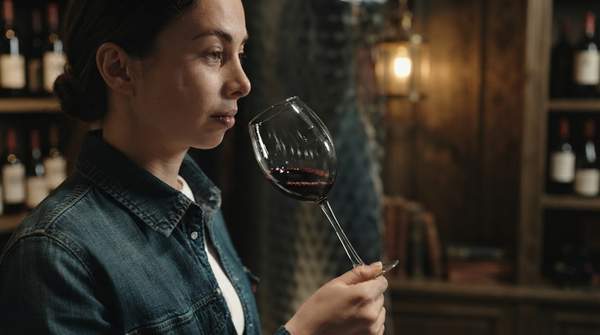
The sommelier, once primarily a steward of wine, has blossomed into a multifaceted beverage architect and educator, redefining their role within the vibrant tapestry of contemporary fine dining. While the traditional mastery of wine remains foundational, today's sommelier commands a far broader spectrum of responsibilities, encompassing diverse beverage program development, comprehensive staff training, and an elevated approach to guest education. This evolution transforms them from mere wine experts into indispensable strategic partners, enhancing both the dining experience and the restaurant's bottom line through their versatile expertise and dedication to hospitality.
Traditional Pillars of Sommelier Service
At its heart, the sommelier's role has always been rooted in a profound understanding and appreciation of wine. Traditionally, this involves meticulously curating wine lists, assisting diners with selections, and ensuring impeccable wine service, as noted by the Court of Master Sommeliers Americas. A sommelier is an expert in wine and food pairings, global wine regions, varietals, and the intricate science of tasting, according to a CKitchen blog. They are the guides who navigate guests through the vast world of viticulture, recommending the perfect vintage to complement a dish and elevate the meal. Key responsibilities also include managing wine inventories, ensuring proper storage and rotation, and staying abreast of industry trends to keep the cellar both well-stocked and relevant. This foundational expertise in wine remains crucial, forming the bedrock upon which their expanded modern duties are built, allowing them to speak with authority and passion about the core of their craft.