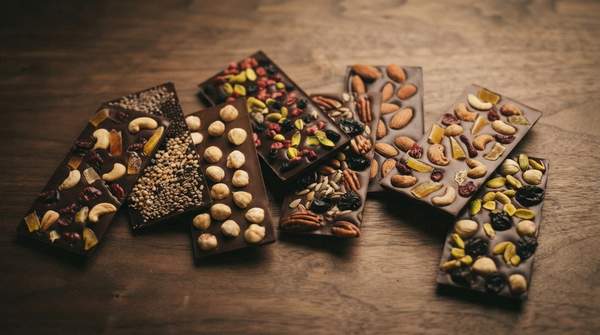
The world of chocolate is undergoing a quiet revolution, driven by artisans known as chocolatiers who embrace the "bean-to-bar" philosophy. This approach involves a single maker overseeing every step of chocolate production, from raw cacao beans to finished bars, allowing for meticulous control over flavor development and a deep commitment to ethical sourcing. This comprehensive process ensures that the unique characteristics of the cacao bean are fully expressed, distinguishing artisanal chocolate from mass-produced varieties.
At its core, the bean-to-bar movement emphasizes quality, transparency, sustainability, and ethical practices, according to Cacao Insights. These principles are designed to uphold authenticity, craftsmanship, and respect for both the people involved in production and the environment. This commitment extends beyond the final product, influencing every stage of the chocolate-making journey and directly impacting the chocolate's quality, flavor, and sustainability.
The Bean-to-Bar Philosophy: Craft, Quality, and Ethics
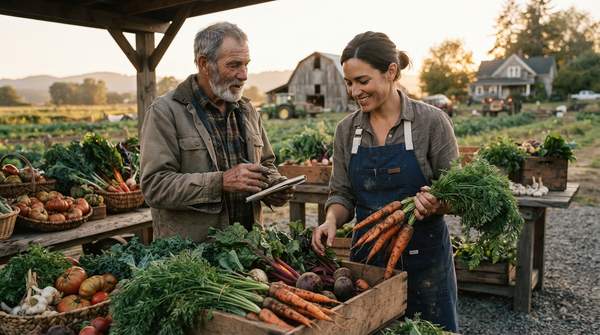
The bean-to-bar philosophy is built upon core principles that prioritize quality, transparency, sustainability, and ethical practices. These guidelines ensure that the chocolate-making process aligns with values of authenticity, craftsmanship, and respect for both people and the environment, as explained by Cacao Insights. A central tenet is the commitment to direct sourcing and ethical relationships, where makers acquire cacao beans directly from farmers or cooperatives.
This direct engagement fosters lasting relationships that extend beyond a single harvest, as noted by Barbara Dolleschal writing for Zotter Chocolates. Responsible chocolate makers seek traceability, support higher-quality cultivation, and collaborate with partners who uphold clear expectations regarding labor and environmental practices. This approach aims to create a more accountable and equitable supply chain that can improve over time. When a maker is closely involved in selecting and processing cacao, they gain a greater understanding of the beans' origin and how their unique character can be preserved throughout production.
The Bean-to-Bar Journey: From Cacao to Confection
The bean-to-bar chocolate-making process is a meticulous journey that transforms raw cacao into a refined confection. Each stage is crucial for developing the chocolate's distinct flavor, texture, and appearance.
-
Sourcing & Selection
The journey begins with the careful selection of cacao beans, which are chosen for their distinct characteristics based on their origin. This initial step is foundational for the chocolate's quality and flavor profile, as highlighted by Pump Street Chocolate. The quality of the raw beans, often influenced by ethical sourcing practices, directly impacts the potential for flavor development in subsequent stages.
-
Fermentation & Drying
After harvest, cacao beans undergo fermentation, a critical step that develops flavor precursors. This is followed by drying, which ensures the beans' stability and reduces volatile acids, both essential for the final chocolate's taste, according to Cocoa Supply. Ethical sourcing practices often support farmer education and infrastructure, which can significantly improve these initial post-harvest processes.
-
Roasting
Roasting is where the cacao's inherent flavors and aromas truly begin to develop. Precise control over the roasting process allows makers to highlight specific flavor notes, as described by Pump Street Chocolate. The quality of the raw beans, directly influenced by ethical sourcing, plays a significant role in the potential for flavor development during this stage.
-
Winnowing
Following roasting, winnowing separates the cacao nibs (the inner part of the bean) from their shells. This mechanical step ensures a pure base for chocolate production, contributing to the final product's purity and texture, according to Pump Street Chocolate.
-
Grinding & Conching
The nibs are then ground into a smooth paste known as chocolate liquor. This grinding process continues flavor development, and the subsequent conching refines the chocolate's texture, reduces moisture, and further develops its flavor through heat, airflow, and agitation, as explained by Bixby Chocolate and the Institute of Culinary Education. Conching can last from a few hours to several days, with makers controlling its duration and intensity to achieve desired flavor and mouthfeel.
-
Tempering & Molding
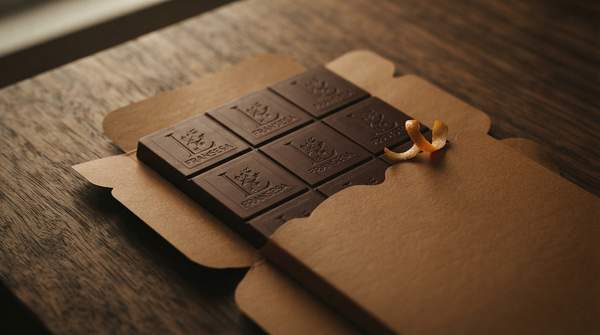
Tempering is a crucial final step that involves heating and cooling the chocolate to stabilize its cocoa butter crystals. This process is essential for achieving a glossy finish, a crisp snap when broken, and optimal flavor release, according to Bixby Chocolate and Cocoa Supply. Properly tempered chocolate is then poured into molds, vibrated to remove air bubbles, and cooled to solidify before being removed and packaged.