If you want your cheese board to reflect your values, the good news is that a growing group of producers has made those commitments concrete and—at least in some cases—certified. Wyke Farms has certified its flagship cheddar as carbon-neutral, Kerrygold's farmers operate under Ireland's Sustainable Dairy Assurance Scheme, and two small American creameries, Green Dirt Farm and Nettle Meadow Farm, hold Animal Welfare Approved certification. Here is how these producers compare on the practices that matter, and what the labels actually mean.
Understanding Key Sustainability and Welfare Terms
Before comparing producers, it helps to know what the terms on their packaging and websites actually promise—because they are not interchangeable, and some carry far more weight than others.
Carbon-neutral, as applied to cheese, refers to a certification that a product's production has achieved a net-zero carbon footprint. When Wyke Farms' Ivy's Reserve Vintage Cheddar received certification as the world's first carbon-neutral cheddar, the multi-generational Somerset producer was making a claim that had been certified rather than merely asserted on a label—a distinction worth looking for whenever you see environmental language on packaging. VinePair, which reported the certification, notes that many cheesemakers promote their efforts through website pages or clever packaging graphics; a certification pushes beyond those usual channels.
Animal Welfare Approved is a certification administered by A Greener World, which describes it as "the only label that guarantees animals are raised outdoors on pasture or range for their entire lives on an independent farm using truly sustainable, high-welfare farming practices." According to the organization, it is also the only label in the U.S. to require audited, high-welfare production, transport and slaughter practices. That audited, whole-life, pasture-based requirement is what separates it from looser welfare language such as "farm-raised" or "humanely treated," which carry no standardized definition.
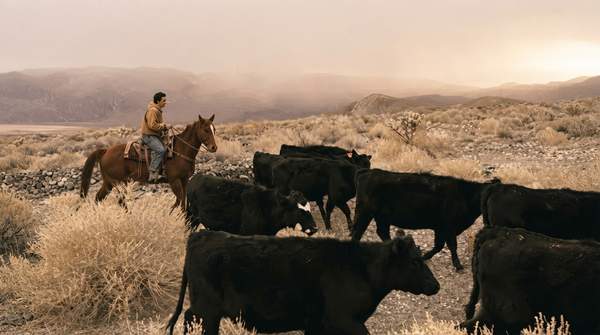
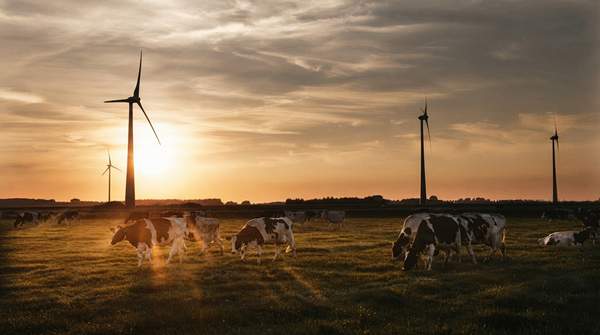
Grass-fed describes the animals' diet and, in practice, their access to pasture. Kerrygold's cows, for instance, graze on grass all day for a large portion of the year, with grass making up the majority of their diet alongside a small amount of supplementary feed for their health. Some producers go further: Lye Cross Farm has two cheeses certified by A Greener World as 100% grass-fed and Animal Welfare Approved—a stricter claim, since it excludes supplementary grain entirely.
The Sustainable Dairy Assurance Scheme (SDAS) is Ireland's national dairy standard. According to reporting on grass-fed cheeses by The Appropriate Omnivore, it sets standards for animal health and welfare, hygiene, land management, water usage, biosecurity, and greenhouse gas emissions. Participating farms have their standards measured and are presented with ways of improving their practices—which makes SDAS a whole-farm, continuous-improvement scheme rather than a one-time single-product certification.
One honest caveat: the information here comes from publicly available reports, not from independent audits or testing conducted for this article. These are producers whose practices have been documented in the reporting available—not an exhaustive list, and other sustainable producers certainly exist.