The percentage of water in a sourdough recipe, known as its hydration, is the single most influential variable a baker can control. It dictates everything from the dough's stickiness and strength to the final bread's interior texture and crust. Whether you seek a dense, chewy crumb perfect for sandwiches or a light, custardy interior with an open structure and a shatter-crisp crust, understanding how to manipulate hydration is the key. By grasping the science of how water interacts with flour and yeast, you can move beyond following instructions and begin to intentionally design the loaf you want to bake.
At its most basic, water transforms a dry mix of flour into a living, elastic dough. It awakens the dormant proteins that form gluten and creates the aqueous environment where the wild yeasts and bacteria in a sourdough starter can ferment and produce gas. The precise ratio of water to flour governs the speed and efficiency of these processes, directly shaping the character of your bread. Too little water results in a tight, resistant dough, while too much can create a soupy mixture that cannot hold its shape. The art of sourdough lies in finding the right balance for your desired outcome.
The Role of Water in Sourdough: Beyond Just Mixing
When water meets flour, it triggers a cascade of crucial biological and chemical reactions. The most significant is the formation of gluten. According to baking ingredient supplier SwissBake, proper hydration is necessary to strengthen gluten networks, which improves the dough's elasticity and its ability to stretch. These protein networks are essential for trapping the carbon dioxide produced during fermentation, allowing the dough to rise and creating the bread's structure. Without enough water, these networks remain underdeveloped, leading to a dense final product. Hydration also sets the pace for fermentation.
In a wetter dough, the yeast and bacteria from your starter can move more freely, giving them greater access to the sugars in the flour. This increased mobility promotes faster and more vigorous activity. In an article for Great Lakes Sourdough, Lisa Robitaille explains that this heightened enzyme activity not only leavens the bread but also contributes to the development of the complex, tangy flavors that define sourdough. A lower-hydration dough, by contrast, slows this process down, which can also be used to develop a different, often deeper, flavor profile over a longer period.
Sourdough Hydration: A Comparative Guide
To make deliberate adjustments to a recipe, it is helpful to understand how different hydration levels generally affect the dough and the final loaf. The following table provides a framework for predicting the outcome of your bakes by categorizing dough into low, medium, and high hydration ranges.
| Hydration Range | Dough Handling Characteristics | Fermentation Speed | Resulting Crumb | Resulting Crust |
|---|---|---|---|---|
| Low Hydration (~60-70%) | Dough is stiff, easy to handle, and holds its shape well. It may require more effort to mix and knead. | Fermentation is generally slower due to less water mobility for yeast and bacteria. | Produces a tighter, denser, and more uniform crumb with a chewy texture. | Results in a thicker and chewier crust that provides robust structural integrity. |
| Medium Hydration (~70-80%) | Dough is balanced and manageable, offering a good compromise between ease of handling and an open structure. | Fermentation proceeds at a moderate pace, allowing for good flavor development without being too rapid. | Yields a moderately open and soft crumb, often desired in classic country loaves. | A substantial, but not overly thick, crust. |
| High Hydration (80%+) | Dough is very soft, sticky, and slack, requiring gentle handling techniques like folds instead of traditional kneading. | Fermentation is noticeably faster due to increased enzyme and microbial activity in the wet environment. | Creates a very open, airy crumb with large, irregular holes and a soft, almost custardy texture. | Produces a thinner, more brittle, and crispy crust due to enhanced caramelization. |
Mastering High-Hydration Dough: Practical Tips
While high-hydration doughs can produce a beautifully open crumb and a crisp crust, their sticky and slack nature presents a significant challenge for many bakers. Success often depends on technique, patience, and learning to interpret the dough's condition. According to guidance from the baking resource The Perfect Loaf, excessive stickiness is one of the most common hurdles when working with wet doughs. If your dough feels unmanageable, several factors could be responsible. The dough may simply be overhydrated for the specific flour you are using, as different flours absorb water at different rates. In this situation, The Perfect Loaf suggests reducing the water in the recipe.
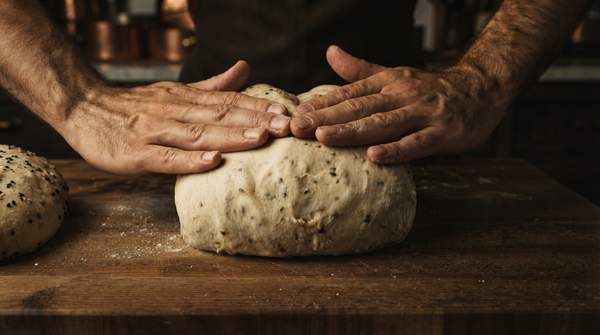
The dough might also lack sufficient strength; performing additional sets of stretches and folds during bulk fermentation can help build the necessary gluten structure without the aggressive handling that makes sticky dough worse. Your handling technique is also critical. The more you work with a wet dough, the stickier it tends to get. Moving with purpose and confidence helps minimize contact time and prevents the dough from adhering to your hands and work surface. Finally, an over-fermented dough will become slack, lose its structure, and turn extremely sticky and difficult to shape.
Paying close attention to the signs of fermentation is key to shaping the dough when it has reached its peak strength, not after it has begun to degrade.
Empowering Your Sourdough Journey
By understanding the fundamental roles of water in gluten development and fermentation, bakers can confidently adjust sourdough hydration levels to achieve specific desired outcomes for crumb, crust, and dough manageability. Learning to control this single variable is a transformative step, allowing you to adapt any recipe to suit your preference, your flour, and even the ambient humidity of your kitchen. The journey from a stiff, predictable low-hydration dough to a delicate, high-hydration loaf is a clear marker of a baker's growing skill and confidence. The goal is to connect scientific principles with practical results in your own oven.
The baker successfully produces a loaf with a targeted crumb and crust texture (e.g., open and custardy or tight and chewy) by intentionally modifying hydration from their base recipe. This ability to predict and control the final product is what elevates baking from simply following a set of instructions to a truly creative and rewarding craft.
Sources
- Master Dough Hydration: Impact on Bread Quality with SwissBake® Flour
- A Beginner’s Guide To Sourdough Hydration — Great Lakes Sourdough
- What Is Dough Hydration? (And How to Get It Right) — The Perfect Loaf