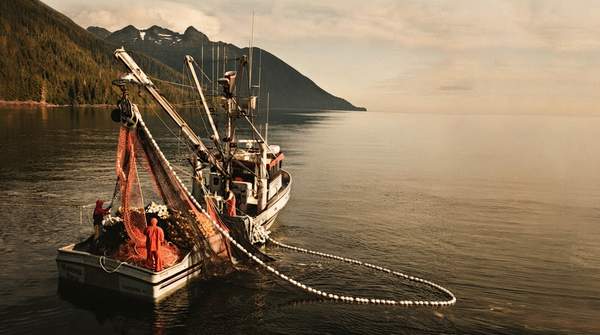
Bycatch—the fish, sharks, seabirds, and sea turtles that commercial fishing gear catches unintentionally—is one of the ocean's most stubborn problems. But when I set out to understand who is actually doing something about it, I found three very different answers, each working a different point of leverage in the seafood supply chain. NOAA Fisheries, the U.S. government agency, writes and enforces binding rules. Monterey Bay Aquarium's Seafood Watch program grades fisheries on how well they manage bycatch and translates that science into recommendations shoppers can use. And the International Seafood Sustainability Foundation (ISSF) turns tuna-industry research into policy pressure on the international bodies that govern the high seas. None of them is "the best"—the evidence doesn't support ranking them—but understanding how each one works tells you exactly where your own choices and advocacy can plug in.
Diverse Approaches to Bycatch Reduction: A Comparative Overview
What struck me most in researching this piece is that bycatch reduction isn't one strategy—it's a family of strategies aimed at different actors. A regulator can simply prohibit a piece of gear. A consumer-facing program can make bad bycatch practices commercially painful by steering buyers elsewhere. An industry-backed foundation can carry scientific findings into the treaty-level rooms where tuna fleets are actually governed. NOAA describes working with fishermen, industry, non-government organizations, and academia to find approaches for reducing bycatch, seabird interactions, and post-release mortality of protected species in federally managed fisheries. Seafood Watch, for its part, calls bycatch one of the main issues it assesses for every fishery it rates. ISSF describes converting scientific insights into conservation and policy recommendations for Regional Fisheries Management Organizations (RFMOs). Three organizations, three theories of change.
NOAA Fisheries: Regulatory and Research-Driven Solutions
NOAA's leverage is the law. Its Office of Law Enforcement, as the agency describes it, works closely with fishery and protected species managers to develop clear and enforceable regulations—and the results are concrete. One example that caught my attention: a rule prohibiting steel wire leaders in the Hawaiʻi deep-set longline fishery, effective May 31, 2022, aimed at increasing the survival of hooked oceanic whitetip sharks caught as bycatch in the Pacific Islands region. Wire leaders connect weighted branch lines to baited hooks; banning them gives fishermen a chance to release sharks alive.
Regulation is only half the story, though. NOAA also funds the science that makes smarter rules possible. Its cooperative research programs cover a wide range of areas, including bycatch monitoring and reduction, and the Saltonstall-Kennedy grant program funds projects that address the needs of fishing communities while building and maintaining sustainable fisheries. Internationally, NOAA's National Bycatch Reduction Strategy includes advancing bycatch reduction in international forums and regional fisheries management organizations, and implementing the Marine Mammal Protection Act imports rule, which evaluates the effectiveness of bycatch reduction measures for countries exporting seafood to the United States.
Monterey Bay Aquarium Seafood Watch: Empowering Consumer Choices
Seafood Watch works from a completely different premise: that enough informed shoppers can change what the market demands. The program, run by the Monterey Bay Aquarium, provides science-based seafood recommendations, and bycatch sits at the heart of its methodology. Bycatch is one of the main issues Seafood Watch assesses for every fishery, and to achieve the program's top ratings for environmentally responsible seafood, a fishery must meet strict limits on allowable bycatch.
The aquarium's own materials explain why this matters so much. Bottom trawls drag nets across the seafloor, catching everything in their paths, and longlines can extend for 50 miles or more with thousands of baited hooks—when left to "soak," they attract anything that swims by, from sharks to sea turtles. The program's assessments weigh whether fisheries use proven mitigation tools, such as Turtle Excluder Devices (TEDs), which are fitted to trawl nets and open to let a trapped turtle escape. TEDs are now required by law for shrimp trawlers in the U.S. and Mexico, though, as the aquarium notes, many fisheries around the world lack similar regulations, and small-scale fisheries with significant bycatch impacts are harder to monitor and regulate. That gap is precisely where a consumer rating system tries to fill in the pressure.
International Seafood Sustainability Foundation (ISSF): Industry-Led Scientific Advancement
ISSF occupies a space that surprised me: a foundation rooted in the seafood industry itself, focused on tuna fisheries, that works through science and advocacy rather than either regulation or consumer ratings. Its signature move is RFMO advocacy. ISSF describes turning its scientific insights about sustainable fishing approaches into conservation and policy recommendations for Regional Fisheries Management Organizations—the governing bodies that oversee fleets across whole ocean regions. Its advocacy experts develop position statements petitioning RFMOs about bycatch-mitigation requirements, recommend steps to align RFMO measures with best practices—including electronic monitoring and reporting of bycatch—and assess RFMOs' progress.
There's a diplomatic craft to this model. ISSF also circulates joint letters to RFMOs co-signed by seafood companies, retailers, and environmental organizations, which means the industry that buys the fish and the groups that defend the ocean are speaking with one voice. For globally migratory species like tuna, governed on the high seas where no single nation's law reaches, that coalition-style pressure is the mechanism that fits the jurisdiction.
Comparative Strategies for Bycatch Reduction
Placing the three models side by side reveals the real insight: each initiative pushes on a different point in the seafood supply chain, and each point of leverage demands a different kind of engagement from the rest of us.
| Initiative | Organization Type | Primary Mechanism | Example Actions |
|---|---|---|---|
| NOAA Fisheries | U.S. government agency | Regulation, enforcement, and funded research | Prohibited steel wire leaders in the Hawaiʻi deep-set longline fishery (effective May 31, 2022) to improve survival of hooked oceanic whitetip sharks; cooperative research and Saltonstall-Kennedy grants covering bycatch monitoring and reduction; implementing the MMPA imports rule for seafood-exporting countries |
| Monterey Bay Aquarium Seafood Watch | Consumer-facing NGO (aquarium program) | Science-based fishery assessment and consumer ratings | Assesses bycatch for every rated fishery; requires strict bycatch limits for top ratings; weighs use of gear modifications such as Turtle Excluder Devices in its evaluations |
| International Seafood Sustainability Foundation (ISSF) | Industry-focused scientific foundation | Scientific research translated into policy advocacy | Position statements petitioning Regional Fisheries Management Organizations on bycatch-mitigation requirements; recommends electronic monitoring and reporting of bycatch; circulates joint letters co-signed by seafood companies, retailers, and environmental organizations |
Read the table one way and you see a regulator, a rater, and an advocate. Read it another way and you see three doors into the same room: if you want binding change, the regulatory path is where rules like the wire-leader ban come from; if you want market change, ratings shift demand; if you want change on the high seas, advocacy at RFMOs is the venue that matches the geography of the problem.
Key Bycatch Reduction Tools and Strategies in Practice
Underneath the organizational differences lie shared tools, and they're worth knowing by name. Gear modification is the most tangible: TEDs fitted into trawl nets open to let sea turtles escape, and NOAA's wire-leader prohibition targets the same logic—change the gear, change the survival rate. Improved handling and release practices matter too, since a shark or turtle thrown back dead is bycatch regardless of intent.
Spatial management is a third strategy, though the evidence I found frames it as a research-supported approach rather than a tool claimed by any of the three initiatives compared here. Writing at the University of Washington's Sustainable Fisheries project, Max Mossler argues that dynamic fishery management—flexible regulations that can change through time—is the way forward for spatial management to reduce accidental catch, while well-enforced static area closures can still be appropriate in the right conditions. Crucially, he adds that closures should accompany other mitigation measures, including fishing gear and operational updates and improved handling and release practices to increase post-release survival. In other words, no single tool does the job alone; the effective fisheries layer them.
Informed Choices for a Sustainable Ocean
So what does all this mean the next time you stand at the fish counter or write to a policymaker? To support bycatch reduction, consumers and advocates should consider the distinct leverage points of different initiatives: government regulation, market-based ratings, and industry-led scientific advocacy. Each one responds to a different kind of pressure. NOAA's rules respond to public comment and enforcement priorities; Seafood Watch's ratings respond to what shoppers actually buy; ISSF's advocacy is strengthened every time a retailer or consumer adds weight to its co-signed letters. You don't have to pick a favorite—but you should know which door you're knocking on.
The measurable indicator to watch is a change in the bycatch management practices of fisheries, reflected in updated seafood sustainability ratings or new regulatory measures. When a fishery's Seafood Watch rating shifts because it met stricter bycatch limits, or when a new rule like the 2022 wire-leader prohibition takes effect, that is the system working—and that is the moment your purchasing or advocacy choices are being counted.
Sources
- Bycatch — NOAA
- Montereybayaquarium
- Bycatch Reduction — International Seafood Sustainability Foundation
- National Bycatch Reduction Strategy — NOAA
- What kind of MPAs are most effective to reduce bycatch? - Sustainable Fisheries UW