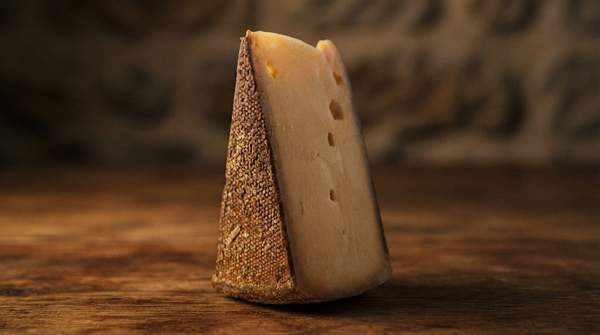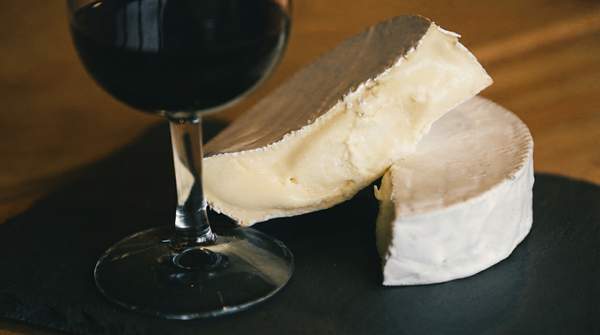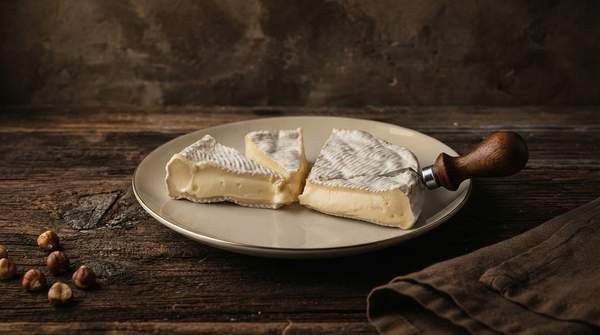
The unique flavor of a cheese is shaped by its “terroir,” a concept describing the distinct environmental attributes of the place where it was made. Far from being a vague marketing term, terroir has a scientifically confirmed basis. Research demonstrates that consumers can perceive flavor differences in cheeses made from milk sourced from farms just 80 kilometers apart, confirming that the specific location of production creates a measurable impact on the final product.
What is Terroir in Cheese?
Similar to its use in the world of wine, terroir in cheese refers to the unique characteristics of a specific location that influence its flavor. According to food scientist Lisbeth Goddik, while some may view terroir as an ambiguous French concept, there is scientific evidence that cows from different areas produce milk containing distinct lactic acid bacteria. These bacteria, in turn, play a crucial role in shaping the taste of the cheese. Factors contributing to this sense of place include the local soil, climate, and even the specific types of grass the animals graze on. Understanding how these elements interact allows for a greater appreciation of the complex and nuanced flavors that make each cheese distinctive.
The Terroir Pathway: From Environment to Flavor
The journey from a specific pasture to a unique cheese flavor follows a clear pathway, combining environmental, microbial, and human factors. This model breaks down how the abstract idea of "place" translates into tangible taste.
-
Environmental Foundation: The process begins with the land itself. The soil composition and regional climate determine the types of plants that grow, which become forage for dairy animals. These environmental inputs directly influence the composition of the milk.
-
Microbial Signature: Milk is not a sterile product; it carries a unique microbial fingerprint from its environment. Research confirms that milk from cows in different locations contains different populations of lactic acid bacteria. As Goddik's work shows, these native bacteria are a key mechanism through which terroir expresses itself, initiating the specific fermentation processes that create flavor.
-
Human Craftsmanship: Cheesemakers are a critical component of terroir. Their knowledge and practices can either highlight or mute the characteristics of the local milk. Artisanal cheesemakers often emphasize the importance of hands-on, experiential techniques, such as using open vats, which allow the local environment to interact with the cheese. The decision to use raw or pasteurized milk is another significant human factor that shapes the final expression of terroir.