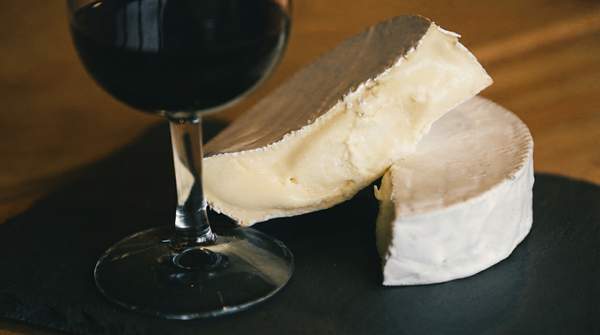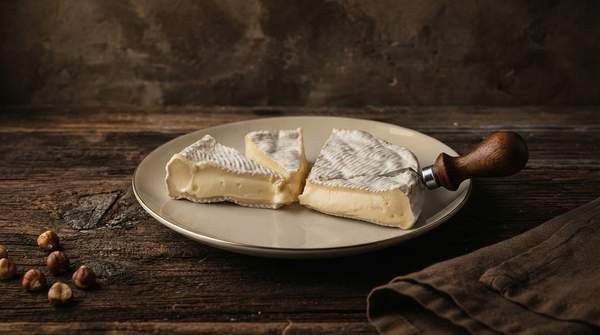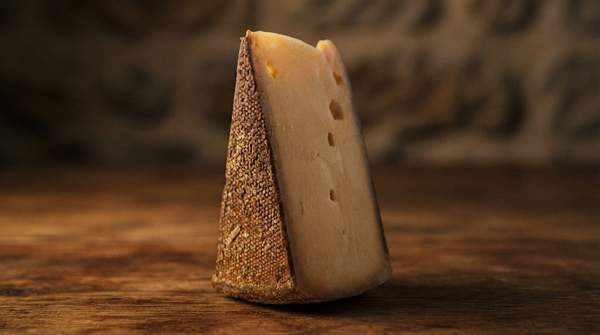
The difference between a chalky fresh curd and a molten Brie rind, or between a dense Gouda wheel and an Emmental full of eyes, is not primarily geography or luck. It is microbiology. Specific bacteria and molds, added deliberately or encouraged during ripening, drive the acidification, gas production, and enzymatic breakdown that give each cheese style its signature flavor and texture. Understanding which microbe does what turns a cheese counter from a mystery into a readable map.
The Unseen Artisans: How Microbes Shape Cheese
Scientific reviews of cheese microbiology frame the idea bluntly: cheese flavor is the metabolic fingerprint of its microbiota. A review of microbiota and cheese quality published in the scientific literature describes how starter lactic acid bacteria, non-starter lactic acid bacteria, and a diverse secondary cast—including propionibacteria, coryneform bacteria, yeasts such as Debaryomyces hansenii and Geotrichum candidum, and molds—vary by cheese variety and collectively govern the formation of the volatile and non-volatile compounds responsible for each cheese's characteristic flavor. The same review notes that the microbiota also plays a decisive role in texture formation, not just taste.
In other words, the microbes in cheese are not contamination to be minimized; they are the workforce. Their enzymes and metabolic by-products act on milk proteins and fat over days, weeks, or months, and the specific mix of species present largely determines what the finished wheel becomes.