
Food Science
8 articles
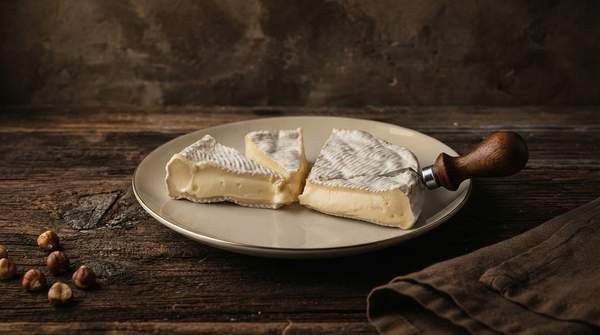
How Location Shapes Cheese Flavor: The Science of Terroir
The unique flavor of cheese is scientifically shaped by its "terroir," encompassing environmental attributes like soil, climate, and local bacteria. Research confirms consumers can perceive distinct flavor differences in cheeses made from milk sourced from geographically varied locations.

The Taste of Place: How Terroir Creates Parmigiano-Reggiano's Signature Flavor
Authentic Parmigiano-Reggiano's complex flavor is a direct result of its specific terroir, a concept linking food qualities to its place of origin. Strict Protected Designation of Origin (PDO) laws govern its production, ensuring the cheese is a genuine expression of its Italian homeland, from the cows' diet to the aging process.

How to Roast Vegetables Crispy Every Time: The Science of Crisp
At 450°F, your oven transforms humble root vegetables into caramelized, crispy delights, a stark contrast to the often-soggy results many home cooks settle for.

How to Maintain Stainless Steel Cookware
Even a premium stainless steel pan can face permanent damage from everyday kitchen habits, often within its first year of use.

Beyond the Line: Four Culinary Career Archetypes Outside the Restaurant Kitchen
Culinary careers have expanded significantly beyond traditional restaurant kitchens, now encompassing roles in research, media, policy, and entrepreneurship. This article outlines four distinct career archetypes and the cross-functional skills required for success in the modern food industry.

How Do the Scientific Principles of the Maillard Reaction Work?
Under roasting conditions in closed systems, furans can yield up to 330 micromol of furan and 260 micromol of 2-methylfuran per mol of precursor.

Mayo Transforms Grilled Corn for Enhanced Flavor
In blind taste tests by Grill Master Monthly, corn pre-coated with mayonnaise scored a remarkable 9.

UNSW Sydney uses ultrasonic waves for energy efficient espresso
At UNSW Sydney, researchers have successfully brewed espresso-strength coffee using only room-temperature water and ultrasonic sound waves, cutting energy consumption by 75%.