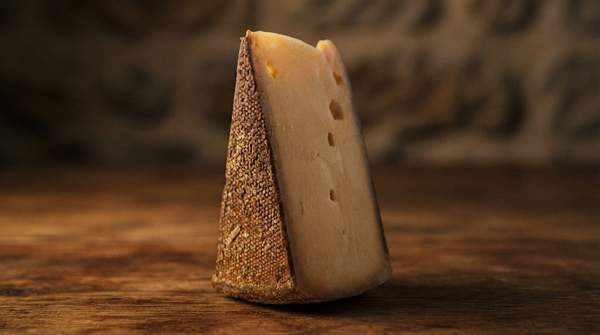
The rind is the single best clue on a cheese counter. Whether a wheel wears a white fuzz, a sticky orange smear, or a dry leathery coat tells you how it was made, which microbes dominate its surface, and therefore what it will taste, smell, and feel like. Research on rind microbiology has found that cheesemaking technique—not geography—best explains the microbial diversity on a cheese's surface, which means each rind type reliably signals a family of flavors. Here is how the main rind types form, what they do to the cheese beneath, and which ones you should actually eat.
The Microbial Magic: How Rinds Get Their Character
A rind is not packaging; it is a working ecosystem. Bacteria and fungi colonize the cheese's surface, breaking down the curd and producing the colors, textures, and flavors that define an artisan cheese. What decides which microbes show up is the environment the cheesemaker builds. A survey of 137 cheeses published by the rind-microbiology researchers behind MicrobialFoods.org found that the surface environment the cheesemaker creates—washing the rind, or inoculating it with molds—best explained how microbial diversity was distributed across all the cheeses studied, while geography showed little correlation. The researchers describe rind development as an "if you build it, they will come" situation.
The flavor consequences are measurable. A metagenomic study of cheese rind communities, published in 2014 in the journal Cell Host & Microbe by Benjamin Wolfe's research team, found that functional potential—meaning the metabolic genes present—clusters by rind type and correlates with moisture, and that several pathways associated with flavor production were significantly enriched in washed-rind cheeses. In plain terms: the technique builds the microbial community, and the community builds the taste.
Bloomy Rinds: Soft, Earthy, and Often Edible
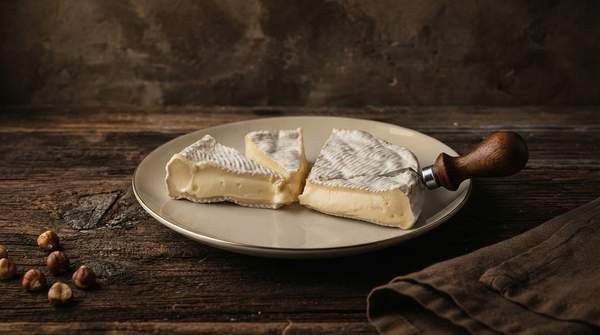
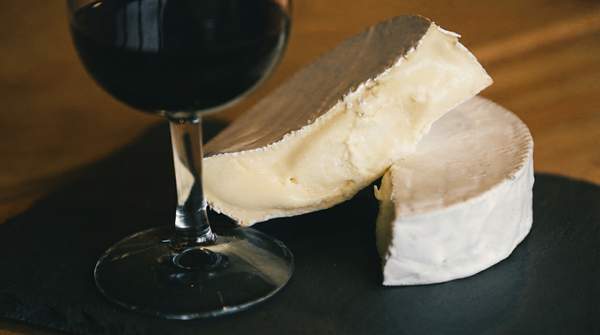
Bloomy rinds are the white, velvety coats on cheeses like Brie and Camembert. They develop when the cheesemaker inoculates the surface with beneficial molds, often from the Penicillium family, sometimes blended with yeast. The mold works from the outside in, its enzymes gradually ripening the interior into the soft, creamy—sometimes nearly runny—paste soft-ripened cheeses are known for. The rind itself can range from fluffy and velvety to slightly papery.
Flavor follows age. Epicure Foods' guide to the main rind styles notes that as a bloomy cheese matures, its flavors move from milky and buttery toward more earthy, mushroomy, or nutty notes. Wisconsin Cheese's rind guide describes the bloomy rind as a flavorful, textured, and very edible crust that actively encourages the cheese inside to ripen. So the white fuzz is not decoration—it is both the engine of the texture and a legitimate part of the eating experience.