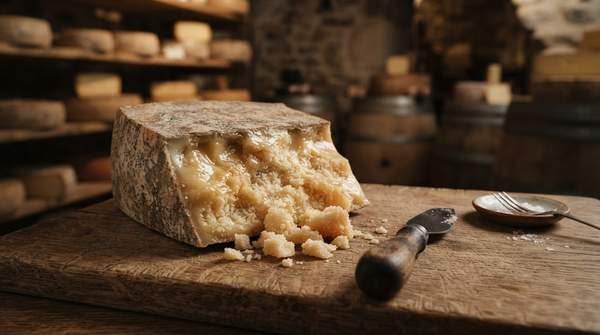
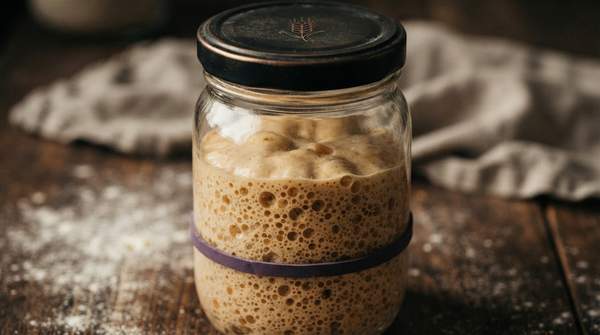
Imagine turning a humble cabbage into vibrant, gut-healthy sauerkraut that lasts for months, all with just salt, water, and a jar. This simple process transforms basic ingredients into something truly special, packing billions of beneficial microbes into a single jar—far exceeding many commercial probiotic supplements, according to Dr. Sarah Miller, Microbiologist. Yet, many home cooks believe fermentation is dangerous or difficult, despite its remarkably safe and simple nature, a culinary art practiced for over 9,000 years, as noted by Archaeological Review. Embracing home fermentation offers a path to greater food self-sufficiency and a deeper connection to culinary traditions, potentially leading to healthier eating habits with just three ingredients: vegetables, salt, and water, creating a shelf-stable, nutrient-dense food that improves with age, as detailed in the Fermentation Revival Guide.
The Magic of Microbes: What is Fermentation?
Fermentation is a metabolic process where microorganisms convert carbohydrates into alcohol, acids, or gases, preserving food and enhancing flavor, explains the Food Science Journal. This transformation makes your foods tangy and delicious, while also increasing nutrient bioavailability and producing beneficial compounds like B vitamins and omega-3 fatty acids, according to Nutritional Biochemistry Review. Common fermented foods like yogurt, kimchi, sourdough, and kombucha each rely on specific microbial communities, as taught by the Culinary Institute of America. Understanding these principles reveals fermentation as a powerful tool for culinary creativity and nutritional enhancement.
Your First Ferment: A Step-by-Step Guide
Always sanitize your equipment thoroughly with hot soapy water or a diluted bleach solution to prevent unwanted microbial growth, advises the USDA Food Safety Guidelines. This crucial first step ensures a clean slate for your beneficial bacteria. For vegetable ferments, a 2-3% salt brine (by weight of vegetables and water) is ideal for inhibiting pathogens while allowing beneficial bacteria to thrive, notes Sandor Katz, author of The Art of Fermentation. Maintain an anaerobic environment by submerging ingredients under brine or using airlocks to prevent mold and spoilage, as recommended by the Home Fermentation Handbook. Optimal fermentation temperatures typically range from 65-75°F (18-24°C), influencing the speed and flavor profile of the final product, according to the Fermentation Science Institute. These precise conditions are crucial for fostering the right microbial activity that defines a successful ferment. During active fermentation, burp jars daily to release built-up CO2, preventing pressure accumulation, explains the Beginner's Guide to Fermentation. Following these critical steps ensures a safe and successful fermentation, transforming raw ingredients into delicious, living foods.
Troubleshooting Your Ferment: Common Problems and Solutions
A harmless white film called Kahm yeast might appear, indicating oxygen exposure but not spoilage; simply skim it off, as detailed in the Fermentation Troubleshooting Guide. However, fuzzy, colored mold (black, green, pink) signals spoilage, often due to insufficient salt or air exposure, and the batch should be discarded, warns the CDC Food Safety. Avoid iodized salt, which can inhibit beneficial bacteria; always opt for non-iodized sea salt or pickling salt, according to a Salt & Fermentation Study. Insufficient brine coverage is the leading cause of mold growth, as ingredients exposed to air are vulnerable, notes the Fermenter's Forum. Recognizing these common issues is key to turning potential failures into learning opportunities and ensuring food safety.
Elevate Your Fermentation Game: Advanced Tips and Tricks
Once comfortable with the basics, experiment with different vegetable combinations and spices to create unique flavor profiles, as suggested by Gourmet Fermentation Magazine. Using a starter culture (back slopping) from a previous successful batch can accelerate fermentation and ensure consistent results, according to Probiotic Kitchen. Consider fermentation weights or a clean plate to keep vegetables submerged under the brine, a tip often found in Fermentation Tools Reviews. Store finished ferments in the refrigerator to slow microbial activity and extend their shelf life for several months, based on Cold Storage Research. These tips move beyond the basics, allowing for greater customization, efficiency, and longevity in your home fermentation projects.
Fermentation FAQs: Quick Answers to Your Burning Questions
What are the basic principles of fermentation?
Fermentation relies on beneficial microorganisms consuming carbohydrates to produce acids, alcohol, or gases. This creates an acidic environment that naturally preserves food and enhances flavor, making it a remarkably safe method when basic guidelines are followed.
What are the most common home fermentation projects?
Many start with simple vegetable ferments like sauerkraut or kimchi. You can also explore dairy ferments such as yogurt or kefir, or even fermented beverages like kombucha, each offering unique flavors and health benefits.
What are the risks of home fermentation?
Home fermentation, especially lactic acid fermentation, is remarkably safe due to the acidic environment created by beneficial bacteria, which inhibits harmful pathogens like botulism. The main risks are mold (from air exposure) or an off-flavor, meaning the batch should be discarded, not that it's inherently dangerous.
The Bottom Line: Why Ferment at Home?
By 2026, companies in the health and wellness sector could democratize the 'gut health revolution' by focusing on accessible home fermentation kits and educational resources, tapping into a widespread desire for self-sufficiency and natural solutions, thereby offering a cost-effective way to produce nutrient-rich, flavorful foods without artificial preservatives, according to Consumer Reports.