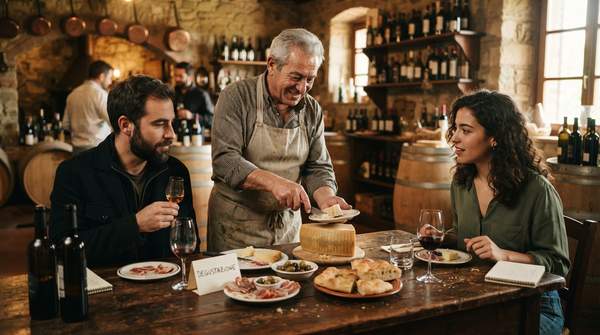
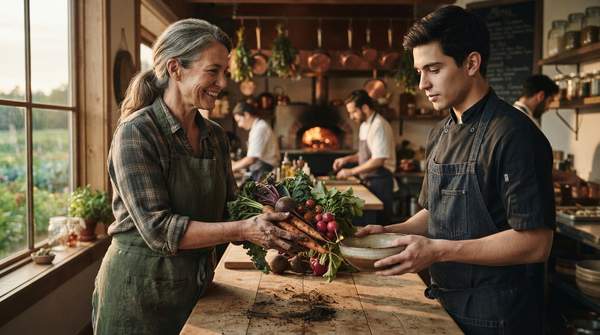
K-Supermarket, a Finnish grocery chain, officially listed its branches as tourist attractions on Tripadvisor. K-Supermarket's official listing of its branches as tourist attractions on Tripadvisor signals a profound shift in what travelers now seek: not just Michelin stars, but the authentic pulse of a place. Traditional culinary tourism often chases exclusive, high-end dining, yet a new wave of adventurers craves the everyday magic found in local markets and grocery aisles. This reorientation means destinations and businesses embracing their everyday culinary culture will increasingly attract food-focused travelers, reshaping local economies and our global taste for authenticity.
Beyond Fine Dining: The New Culinary Compass
Supermarket aisles now stand as travel's most revealing and beloved experiences, according to BBC. Travelers increasingly value immersion in local food culture over exclusive dining, redefining culinary highlights. This expanded scope of food tourism extends beyond white tablecloths, as visitors seek genuine flavors embedded in a community's daily life—from bustling markets to neighborhood shops—revealing a deeper desire for connection with a destination's local pulse.
The Rise of the 'Foodie Staycation'
- 22.5 million — UK adults are set to holiday on home soil during the summer months, according to Euronews.
- 71% — of Britons state that dining is a key part of their 'foodie staycation', according to Euronews.com.
- 58% — of Brits identify themselves as 'foodies', according to Euronews.com.
The 22.5 million UK adults set to holiday on home soil, 71% of Britons stating dining is key to their 'foodie staycation', and 58% identifying as 'foodies' reveal a significant shift towards domestic, food-focused travel, indicating a broad and engaged market for authentic local culinary experiences. The strong self-identification as 'foodies' suggests a cultural inclination to explore food as a primary travel motivator within one's own country.
Why Everyday Flavors Are Winning
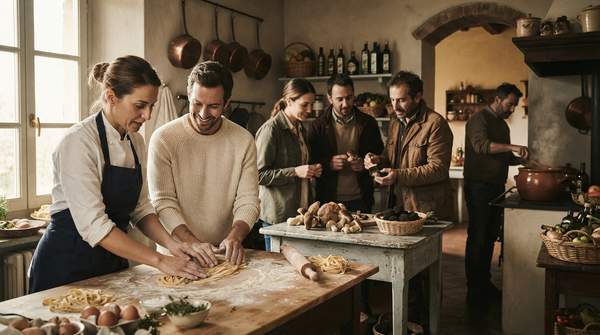
A foreign supermarket offers an authentic, participatory, and accessible experience, allowing travelers to truly feel part of a destination, according to Bbc. This desire for genuine connection drives travelers to seek the everyday culinary life of a destination. Their preference moves beyond just tasting dishes; it involves understanding where ingredients come from, how locals shop, and the communal rituals surrounding food. Travelers increasingly prioritize experiences that allow them to participate in, rather than just observe, a region's gastronomic identity, finding profound value in routines once considered mundane.
From Street Food to Supermarkets: Redefining 'Gourmet'
The Michelin Guide assesses a culinary scene's maturity, quality, dynamism, creativity, and potential when expanding, according to Interaksyon. Though often linked to fine dining, its scope now embraces diverse culinary forms. In Thailand, the Michelin Guide awarded stars to street food stalls, recognizing local food culture on a global stage and fostering a high-quality culinary scene. The Michelin Guide's awarding of stars to street food stalls in Thailand shows even established authorities adapt their criteria, validating the broader trend towards everyday culinary exploration and authentic local scenes.
The Future of Food Travel: Local, Authentic, Accessible
Destinations and tourism boards clinging solely to high-end dining miss a massive opportunity to engage a new generation of travelers seeking authentic, accessible local immersion.
- K-Supermarket's official Tripadvisor listing for its branches as tourist attractions, according to BBC.com.
- BBC.com's observation that supermarket aisles are 'revealing and beloved experiences'.
K-Supermarket's official Tripadvisor listing and BBC.com's observation that supermarket aisles are 'revealing and beloved experiences' mark a market shift where everyday spaces, once overlooked, become focal points for culinary exploration. Tourism strategies must evolve, highlighting the unique charm of local markets, independent grocers, and street food vendors to capture this growing segment of travelers.
The economic and cultural prestige of a culinary scene can now be built from the ground up through everyday, local offerings, rather than solely relying on established fine-dining institutions.
- The Michelin Guide's recognition of street food in Thailand, according to Interaksyon.
- Euronews.com data showing 71% of Britons prioritize dining on 'foodie staycations'.
The Michelin Guide's arrival in a new destination can be a catalyst for economic development, according to Interaksyon. The Michelin Guide's recognition of street food in Thailand and Euronews.com data showing 71% of Britons prioritize dining on 'foodie staycations' point to a future where economic development in tourism ties increasingly to celebrating a destination's unique, everyday culinary identity, fostering local growth and empowering small businesses.
Local businesses, from independent grocers to street vendors, are uniquely positioned to capture a significant share of the culinary tourism market if they market themselves as cultural destinations.
- 58% of Brits identifying as 'foodies', according to Euronews.com.
- The shift towards valuing authentic, everyday food experiences, as observed by BBC.com.
Smaller, community-based enterprises gain power to become primary attractions, drawing visitors who seek genuine cultural exchange through food. By emphasizing their unique stories and local offerings, these businesses create memorable experiences that resonate deeply with modern travelers.
By 2026, if destinations like Finland's K-Supermarket continue to champion everyday culinary charm, local artisans and grocers will likely find themselves increasingly at the forefront of global travel guides, inspiring a broader industry shift.