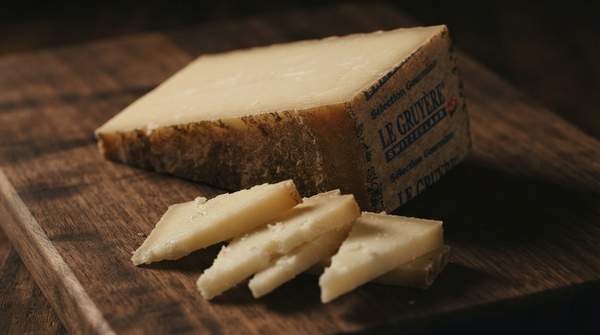
Gruyère, Comté, and Appenzeller share a single historical engine: Alpine transhumance, the seasonal movement of cows from valley farms to high mountain pastures each summer. That practice, as the culinary education community at ICE notes, is one of the most important flavor-shaping forces in Alpine cheesemaking, and it produced a common template—large, hard-rinded wheels robust enough to keep and transport through winter. What separates the three cheeses today is not a radically different recipe but geography and regional practice: Gruyère's Swiss canton of Fribourg, Comté's French Jura Massif, and Appenzeller's place within the Swiss mountain tradition.
The Alpine Legacy: Transhumance and the Birth of Mountain Cheeses
Transhumance, known in French as alpage, describes the annual cycle in which cows were moved from valley farms to high Alpine grasslands for summer grazing. ICE's cheesemaking educators identify this ancient herding practice as central to the flavor character of Alpine cheeses: the diverse grasses and herbs of the high pastures feed directly into the milk. Cheesemaking followed the herds, so production happened on the mountains in summer rather than at the winter farm.
The logistics of that seasonal rhythm dictated the physical form of the cheese itself. As the record of Swiss-type cheeses explains, these cheeses were made in summer on the high grasslands and then transported, along with the cows, down to the valleys for winter. The result was a distinctive template: large rounds or wheels with a hard rind, sturdy enough for both keeping and transporting. Soft, delicate, high-moisture cheeses would not survive the journey or the months of storage.
That template still defines the family. The cheese magazine culture describes Alpine cheeses as those from the mountainous borders between France, Switzerland, Austria, and Italy—varieties including Appenzeller, Gruyère, Comté, Abondance, and Emmentaler. They are generally made from raw or heated cow's milk, are semi-firm to hard in consistency, and are aged in huge wheels weighing upwards of twenty pounds. Crucially, culture adds a caution for shoppers: cheeses produced elsewhere can mimic the appearance and consistency of Alpine originals, but true Alpine cheeses gain their flavor from their native land.