Umami, often described as the "fifth taste," is a savory sensation that adds profound depth and richness to culinary creations. Far from being a mere background note, umami plays a pivotal role in enhancing the overall deliciousness and satisfaction derived from food. While many ingredients naturally possess components that impart an umami taste, specific biochemical processes—notably fermentation and the Maillard reaction—are instrumental in creating and intensifying this desirable flavor. Understanding the intricate molecular transformations involved in these processes empowers both avid home cooks and seasoned culinary professionals to move beyond accidental deliciousness, enabling them to intentionally enhance umami in their dishes through deliberate ingredient selection and cooking techniques.
The essence of umami lies in key compounds such as glutamate, inosinate, and guanylate. The journey to understanding umami began in 1908 when Professor Kikunae Ikeda identified glutamate as the primary taste component in kombu dashi, a traditional Japanese seaweed broth, and subsequently coined the term "umami." Following his groundbreaking work, other Japanese scientists further expanded this understanding by discovering inosinate and guanylate as additional umami substances. Glutamate is an amino acid, the building block of proteins, while inosinate (IMP) and guanylate (GMP) are 5'-nucleotides. These compounds, whether inherent in ingredients or generated through culinary and preservation methods, are central to the savory experience that defines umami.
Fermentation: Unlocking Umami Through Enzymatic Action
Fermentation is a venerable culinary technique that profoundly enhances umami by transforming complex food components into simpler, more flavorful molecules. This process primarily relies on enzyme-mediated breakdown, where microorganisms or inherent enzymes within the food degrade macromolecules. As one author explains, "processes such as cooking, boiling, steaming, simmering, roasting, braising, broiling, smoking, drying, maturing, marinating, salting, ageing and fermenting all contribute to the degrading of the cells and macromolecules of which the foodstuff is made." This enzymatic action is particularly effective in bringing out and intensifying umami compounds.
A crucial outcome of fermentation is the release of free amino acids, most notably glutamate. For instance, salt-curing, a traditional fermentation method, significantly increases the amount of free amino acids, including glutamate, in meat through a process called proteolysis. This enzymatic breakdown of proteins yields a higher concentration of glutamate, directly impacting the umami intensity. Beyond amino acids, salt-curing also elevates the levels of nucleotides such as ADP, AMP, IMP, HX, and inosine, all of which are recognized umami compounds. Similarly, dry aging in beef, another form of controlled fermentation, leads to water loss, proteolysis, and lipolysis, collectively increasing the concentration of taste components that contribute to exceptional flavor and palatability.
The natural degradation of biomolecules like proteins, DNA, RNA, and ATP that occurs after an organism dies also contributes to increased amounts of glutamate and umami nucleotides in food sources. Fermentation processes further amplify this natural breakdown. A compelling example is katsuobushi, or dried bonito flakes, where the drying process can increase the inosinate concentration by as much as 30-fold as cellular ATP is broken down. This demonstrates how controlled enzymatic activity during fermentation can dramatically boost the presence of key umami compounds, transforming raw ingredients into flavor powerhouses.
The Maillard Reaction: Browning for Deeper Umami Flavors
Beyond the enzymatic transformations of fermentation, the Maillard reaction stands as another critical pathway for umami creation, especially in cooked foods. This complex, non-enzymatic browning reaction occurs when amino acids and reducing sugars interact at elevated temperatures. Discovered by Louis Camille Maillard in 1912 and further elucidated by chemist John E. Hodge in 1953, the Maillard reaction is responsible for many of the characteristic colors and flavors in a wide array of foods, from the rich browning of seared meats and fried onions to the distinctive aroma of roasted coffee.
The Maillard reaction unfolds through roughly three distinct stages. It begins in the early stage with the initial interaction of reducing sugars, such as glucose and ribose, with amino residues in proteins or free amino acids. This reaction forms intermediate compounds known as glycosylamines. In the intermediate stage, these glycosylamines undergo rearrangement into ketosamines. The advanced or final stage involves further complex reactions of these ketosamines, which ultimately produce a diverse array of flavor compounds and brown nitrogenous polymers. These various flavor compounds collectively contribute to the umami taste, alongside the characteristic browning of the food.
The presence of both amino acids and reducing sugars is fundamental for the Maillard reaction to proceed. These primary reactants initiate a complex chemical process that generates a wide spectrum of diverse flavor compounds, significantly enriching the taste profile of foods. While the precise chemical identities of all umami-contributing compounds formed directly by the Maillard reaction are not explicitly detailed, the overall process is recognized for enhancing the umami and saltiness tastes of foods, as observed in processes like dry-aging. By carefully controlling cooking conditions, such as heat and moisture, cooks can harness this reaction to develop deeper, more savory, and umami-rich flavors in their culinary creations.
Umami Synergy: Combining Compounds for Enhanced Taste
While glutamate, inosinate, and guanylate each contribute to umami individually, their combined effect can be far more potent than the sum of their individual contributions. This remarkable phenomenon is known as umami synergy. The umami taste is greatly enhanced when glutamate is combined with 5'-nucleotides, such such as inosinate (IMP) and guanylate (GMP). This synergistic relationship was a significant discovery, with Japanese scientist Akira Kuninaka uncovering GMP's umami-enhancing properties after isolating it from shiitake mushroom broth, and subsequently identifying the umami synergy phenomenon itself.
This synergy is a fundamental principle that has been empirically understood and applied in many traditional cuisines across the globe. For example, the iconic Japanese dashi often combines kombu, which is naturally rich in glutamate, with katsuobushi (dried bonito flakes), a significant source of inosinate. This pairing exemplifies how combining ingredients rich in different umami compounds maximizes flavor. Similarly, soups that blend glutamate-rich vegetables with inosinate-rich meat and fish demonstrate this powerful synergistic effect, creating a more profound and satisfying savory experience. The strength of this umami synergy is not fixed; it varies according to the specific ratios of the compounds involved, allowing for nuanced and sophisticated flavor development.
Beyond the primary trio of glutamate, inosinate, and guanylate, umami-stimulating peptides can also synergize with monosodium glutamate (MSG), further intensifying the savory experience. This strategic layering of different umami compounds not only deepens and broadens the flavor profile but also serves as a "flavor layerer," allowing distinct flavors to emerge and peak at various times before harmonizing into a unified, complex finish. Furthermore, umami acts as a "flavor balancer," highlighting other flavors by contrasting, canceling, or balancing them, thereby contributing to a more cohesive and enjoyable taste experience.
Culinary Applications: Harnessing Umami in Your Kitchen
Armed with an understanding of the molecular mechanisms behind umami creation through fermentation and Maillard reactions, cooks can adopt a powerful framework for intentional flavor enhancement. By recognizing which processes generate specific umami compounds, culinary professionals and home cooks alike can strategically select ingredients and apply cooking techniques to maximize savory depth and complexity in their dishes.
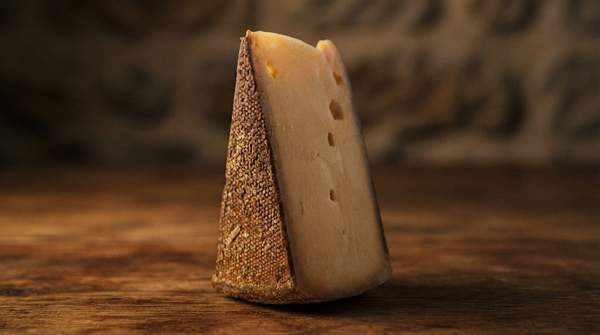
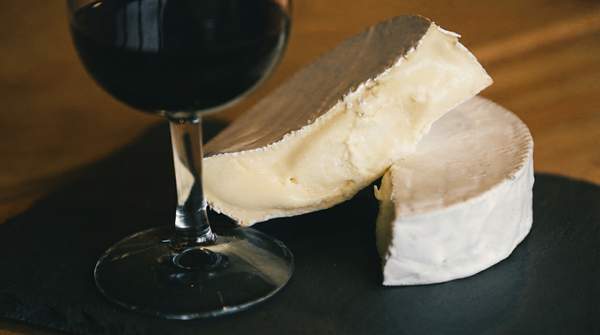
To leverage fermentation, incorporate ingredients that have undergone this transformative process. Examples include soy sauce, miso, aged cheeses like Parmesan, and fermented vegetables, all of which introduce significant amounts of free glutamate and often nucleotides. These ingredients can serve as foundational flavor builders in sauces, marinades, and broths. For instance, the glutamate in kombu and the inosinate in katsuobushi are the cornerstones of dashi, a fundamental umami-rich stock in Japanese cuisine.
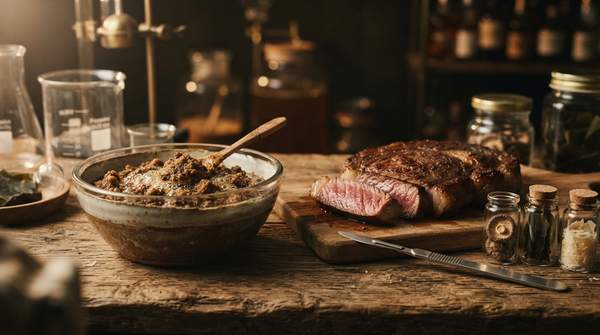
To harness the Maillard reaction, focus on dry heat cooking methods that promote browning. Searing meats, roasting vegetables, grilling, or pan-frying onions are all techniques that encourage the interaction of amino acids and reducing sugars at high temperatures, developing complex savory notes. The browned crust on a steak or the caramelized edges of roasted vegetables are not just visually appealing; they are reservoirs of Maillard-generated umami. Furthermore, strategically combining ingredients rich in different umami compounds is key to unlocking the potent effect of umami synergy. Think of pairing glutamate-rich tomatoes with Parmesan cheese (which contains both glutamate and nucleotides), or combining guanylate-rich mushrooms with inosinate-rich meats in a stew. This deliberate layering creates a depth of flavor that is truly greater than the sum of its parts.
Umami-Rich Ingredients by Mechanism
This table illustrates common umami-rich ingredients, categorizing them by their primary umami-contributing mechanism and the processes that enhance their flavor. Readers can use this table to identify ingredients based on their primary umami-contributing mechanism and combine them strategically to enhance flavor in their cooking.
| Mechanism/Compound | Process/Key Reactants | Culinary Examples |
|---|---|---|
| Free Glutamate | Enzymatic hydrolysis of proteins during fermentation or aging; natural abundance. | Kombu (seaweed), Parmesan cheese, ripe tomatoes, mushrooms, salt-cured meats, soy sauce, miso. |
| Inosinate (IMP) | Breakdown of ATP in animal tissues, enhanced by drying or aging. | Katsuobushi (dried bonito flakes), dried mushrooms, meat (especially aged or cured). |
| Guanylate (GMP) | Breakdown of RNA in certain fungi, enhanced by drying. | Dried shiitake mushrooms. |
| Maillard Reaction Products | Non-enzymatic reaction between amino acids and reducing sugars under heat. | Seared meats, roasted vegetables, fried onions, toasted bread, coffee. |
| Umami Synergy | Combination of glutamate with 5'-nucleotides (inosinate, guanylate). | Dashi (kombu + katsuobushi), tomato sauce with Parmesan, mushroom and meat dishes. |
Mastering Umami: Intentional Flavor Enhancement
To intentionally enhance umami in culinary applications, focus on incorporating ingredients and cooking techniques that promote either enzymatic breakdown of proteins to release free glutamate and nucleotides (fermentation) or the Maillard reaction between amino acids and reducing sugars (browning), and strategically combine ingredients for synergistic effects. The noticeable increase in depth, savoriness, and overall deliciousness of dishes prepared using these principles, as perceived through taste, serves as a measurable indicator of successful umami enhancement.