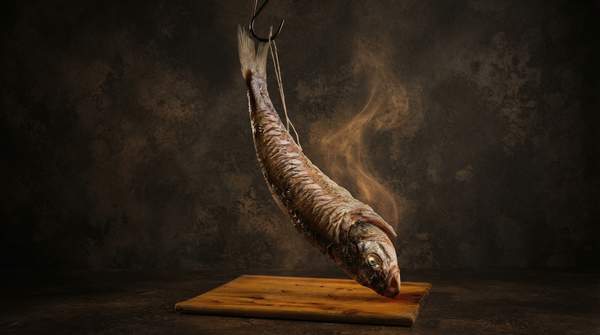
Dry-aging fish is a culinary process that uses a precisely controlled environment to transform its flavor and texture, creating a product with more concentrated, complex taste and a supple, improved mouthfeel. The technique relies on two simultaneous scientific processes: the physical removal of moisture and the biochemical action of natural enzymes. By carefully managing temperature, humidity, and airflow, chefs can guide these changes to enhance the fish's inherent qualities while ensuring it remains safe to eat.
The practice, which has gained popularity in high-end restaurants and among food companies, allows natural enzymes within the fish to break down proteins and fats, developing deeper savory notes. At the same time, controlled desiccation reduces water content, which concentrates the existing flavors. This dual transformation results in a culinary product that is distinct from fresh fish, offering a more intense and nuanced experience.
The Dual Transformation of Dry-Aging Fish
Dry-aging fish involves two distinct but interconnected processes that work together to enhance its culinary properties. Understanding how moisture loss and enzymatic action each contribute to the final result clarifies why precise environmental control is essential for success.
| Process | Mechanism | Outcome on Flavor and Texture |
|---|---|---|
| Moisture Loss (Desiccation) | Water is slowly removed from the fish's flesh in a highly controlled, desiccating environment. This reduces the overall water activity within the muscle tissue. | Concentrates the fish’s natural flavors, making them more intense. The texture becomes firmer and denser as the flesh loses water. |
| Enzymatic Action (Proteolysis & Lipolysis) | Natural enzymes present in the fish break down complex molecules. Proteins are converted into simpler amino acids like glutamate, and fats are broken down into fatty acids. | Creates new, complex flavor compounds that contribute to a deep, savory umami taste. This process also tenderizes the muscle, resulting in a more supple, almost melting texture. |
The Science of Moisture Loss: Concentrating Flavor and Firming Texture
One of the primary physical changes during dry-aging is the reduction of moisture. In a carefully managed environment, the water content of the fish is slowly lowered, a process that directly impacts both taste and feel. As water evaporates from the flesh, the remaining flavors become more concentrated. This is why dry-aged fish often has a more potent and pronounced taste than its fresh counterpart. The process is distinct from wet-aging, where the saturated environment prevents this concentration of flavor due to the absence of water loss.
This controlled desiccation also fundamentally alters the fish's texture. The loss of moisture causes the flesh to become firmer and denser. This change can be highly desirable, particularly for sushi and sashimi, where a less watery, more substantial texture is often preferred. The success of this process hinges on maintaining a delicate balance; the goal is to reduce moisture without drying the fish out completely, preserving a pleasant mouthfeel while intensifying its natural character.