Beyond common table salt, a world of artisanal salts offers distinct characteristics that can transform and elevate specific dishes. These gourmet varieties, unlike heavily processed table salt, derive their unique traits from natural sources, whether hand-harvested from oceans, mined from mountains, or collected from underground springs. The differences extend beyond mere flavor, encompassing crystal structure, texture, and mineral composition, all of which influence how we perceive taste in our food.
Understanding these distinctions allows home cooks and chefs to make informed choices, enhancing culinary creations with a burst of flavor, a satisfying crunch, or a subtle earthy note. From the volcanic clays of Hawaii to the ancient salt beds of the Himalayas, each artisanal salt brings its own story and culinary potential to the kitchen.
The Science of Savor: How Salt Characteristics Influence Flavor
The physical characteristics and mineral composition of artisanal salts play a crucial role in their interaction with food and overall flavor perception. For instance, the texture of salt crystals directly impacts how flavor is released and experienced. Large, crispy flakes, such as those found in some finishing salts, do not melt instantly when sprinkled on food just before serving. Instead, they provide a sudden, crunchy burst of flavor, according to a post by TasteAtlas.
Conversely, hard rock crystals, like those of Himalayan Pink salt, melt slowly and evenly, making them suitable for cooking directly into hot dishes like stews. The choice of crystal shape can fundamentally alter how the tongue perceives each bite. Beyond texture, the presence of trace minerals, influenced by geographical origin or natural additives, contributes to the unique physical-chemical properties and subtle flavor profiles of these salts. These minor components vary significantly based on the manufacturing process, raw materials, and collection site, as noted in research published in PMC.
Hawaiian Red Alaea Salt: Earthy Notes for Robust Dishes
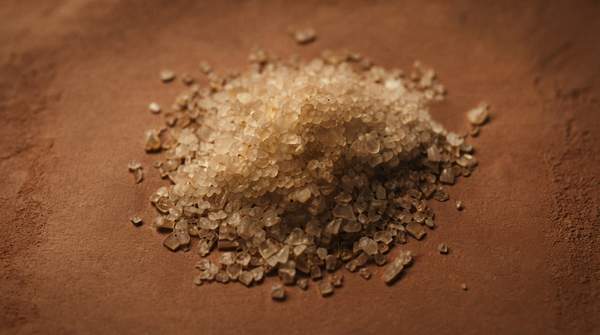
Hawaiian Red Alaea salt is a sea salt traditionally enriched with naturally occurring volcanic red clay, known as "Alae," found in Hawaii. This natural additive gives the salt its characteristic red color and imparts a subtle flavor that is described as mellow and earthy, according to SaltWorks. The clay also enriches the salt with trace amounts of iron oxide, along with other minerals such as magnesium and potassium, as detailed by Salty Wahine.
Traditionally, Hawaiian Red Alaea salt serves as the authentic seasoning for native Hawaiian dishes, including Kalua pig and poke. It is also highly regarded for enhancing good cuts of meat, such as prime rib and pork loin, where its earthy notes can complement robust flavors.