For travelers planning their 2026 escapes, the allure of a journey centered on food and wine has evolved far beyond simple restaurant reservations and vineyard tours. Today’s culinary adventures are immersive experiences that weave together the threads of local cuisine, regional history, and active exploration. Imagine savoring the fusion of ancient and modern flavors in Cusco after a day spent discovering the secrets of Incan heritage, or tasting exquisite wines at a charming vineyard in Santiago. The key to a truly memorable trip lies not just in choosing a destination, but in selecting a travel format that aligns with your personal style.
The modern food and wine journey is a dynamic blend of structured guidance and personal discovery, of cultural immersion and physical activity. Whether you are drawn to the comprehensive, on-the-ground experience of a guided land tour or the social, multi-port convenience of a wine-themed cruise, understanding the fundamental differences is crucial. By evaluating your preferences for activity level, trip focus, and degree of independence, you can move beyond a simple list of places and design an itinerary that truly satisfies your appetite for both flavor and adventure.
Understanding the 'Adventure' in Culinary Journeys
In the world of food and wine travel, the term "adventure" signifies a rich, multi-layered experience that extends well beyond the plate and glass. It represents the active integration of gastronomic discovery with cultural, historical, and even physical activities. This approach transforms a simple vacation into a holistic exploration of a region's identity, where food is the lens through which you experience the landscape and its people. This sense of adventure can take many forms. On a gastronomy tour in Cusco, for example, it means wandering through the timeless streets and visiting the legendary ruins of Machu Picchu as part of a journey into ancient Incan flavors.
In Thailand, it could involve a tuk-tuk tour through the vibrant markets and stunning temples of Bangkok, connecting the city's street food culture to its spiritual heart. According to travel company Food & Wine Trails, some itineraries involve "trekking off the beaten path in discovery of hidden wine treasures." Elsewhere, you might find yourself hiking through Europe's largest gorge, swimming in a pool with panoramic views of the Chianti hills, or taking a pastry class in a Parisian apartment after visiting historic D-Day sites. The common thread is that food and wine are not isolated events but are deeply embedded in a broader tapestry of exploration and discovery.
Key Formats for Food and Wine Travel
As you begin to plan, you will find that culinary adventures are generally offered in a few distinct formats, each with its own character and rhythm. Understanding these models is the first step toward finding your ideal trip. The two most prominent formats are guided land tours and wine-themed cruises, which offer fundamentally different ways to experience a destination. Guided land tours are designed for deep immersion in a specific region. These trips often feature small groups and are led by expert local guides who provide context and access to unique experiences.
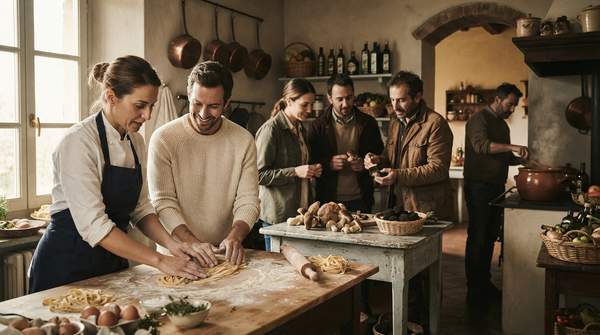
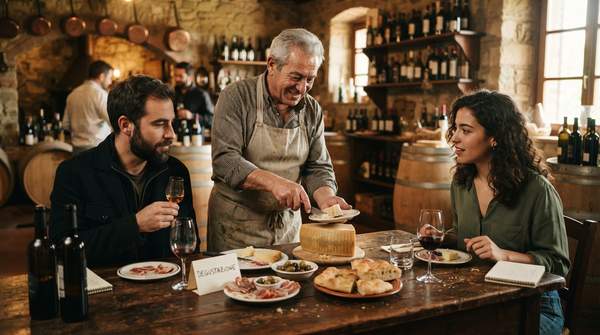
The itineraries are typically structured to balance culinary activities—like cooking classes, market visits, and producer tastings—with cultural and historical sightseeing. This format is ideal for travelers who want to unpack the layers of a single area, from its archaeological sites to its most emblematic restaurants and wine bars. In contrast, wine-themed cruises offer a journey across multiple destinations with the convenience of unpacking only once. According to Food & Wine Trails, these trips function as two programs in one, combining the amenities of a deluxe ship with an exclusive schedule of private events. Onboard and ashore, hosts may include nationally recognized winemakers, sommeliers, and chefs.
The focus is often on wine, with curated tastings and dinners, but the format also allows for a variety of onshore excursions, creating what the company describes as a convivial atmosphere for like-minded travelers.