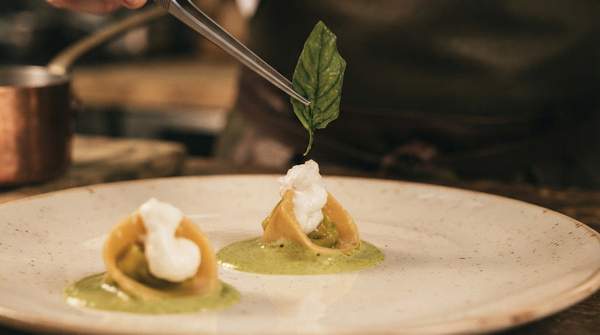
When you sit down to a tasting menu today, you are eating a piece of culinary history—but which piece? The answer depends on the philosophy behind the courses in front of you. The format traces back to the French tradition of menu dégustation, which developed as a way for chefs to showcase a range of techniques and ingredients within a single sitting rather than limiting a guest to one or two dishes. From there, it passed through distinct eras: a technical showcase, a maximalist artistic statement, and, most recently, a shorter, more accessible experience designed around the diner's time and budget. Understanding that arc is the key to reading a chef's intent from the shape of the menu itself.
The Tasting Menu's Enduring Appeal: A Culinary Journey
What makes the format so durable, in my view, is its adaptability. A tasting menu is not one thing; it is a vessel. The French dégustation tradition has spread globally, inspiring restaurants to build entire concepts around it. For instance, Dominique Crenn's Atelier Crenn in San Francisco features a poem-driven tasting menu, and Fernando Olea's Sazón in Santa Fe offers a nine-course menu focused on Mexican flavors. The number of courses can vary significantly by restaurant. That flexibility is precisely why the format could carry such different philosophies across different eras: the same basic structure—many small courses, one narrative arc—can serve a chef's ego, an artist's vision, or a diner's convenience. The history of the tasting menu is really a history of who the meal was for.