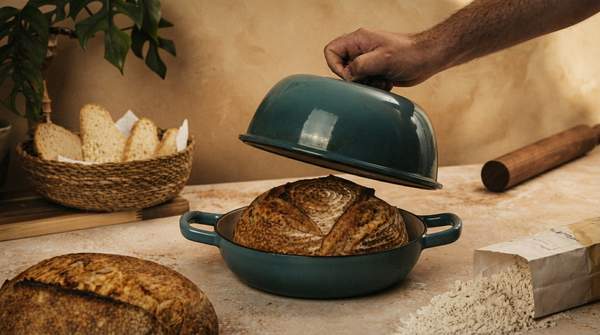
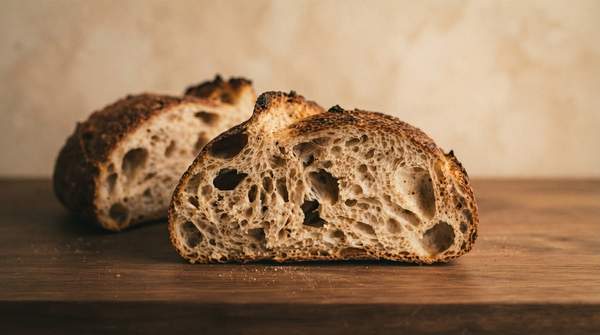
Artisanal baking elevates everyday recipes by focusing on two core principles: the use of high-quality ingredients and the application of traditional production techniques. For the home baker, adopting an artisanal approach means moving beyond standard pantry staples to intentionally select components that offer superior flavor, texture, and complexity. This shift in focus can transform a simple loaf of bread, pastry, or cake into a more nuanced and satisfying creation, making the process as rewarding as the final product.
What Defines Artisanal Baking Ingredients?
The term "artisanal" refers to products made with care and skill, using high-quality materials and time-honored methods. In baking, this translates to choosing ingredients that are less processed, sourced for specific characteristics, and capable of producing a superior result. An article on the NutriMill blog defines artisan bread as a type made with "traditional techniques and high-quality ingredients." This philosophy extends beyond bread to all forms of baking, encouraging a focus on the fundamental components that build flavor and structure from the ground up. Unlike industrial production, which often prioritizes speed and uniformity, the artisanal approach values slower processes, such as long fermentation, that allow complex flavors to develop naturally.
The Foundation: Artisanal Flours for Superior Texture
The choice of flour is a critical first step in artisanal baking, as it dictates the final product's structure and mouthfeel. According to NutriMill, flours with a higher protein content, such as bread flour and whole wheat flour, are common in artisan baking because they deliver a "more structured and chewy texture." The additional protein enables stronger gluten development, creating an elastic network that traps gases during fermentation, resulting in a well-risen loaf with a satisfying bite. Bread flour is often preferred for lighter, more delicate loaves, while whole wheat contributes to a denser, heartier bread.
The pursuit of quality also leads many bakers to use freshly milled flour to guarantee maximum freshness and robust flavor. This focus on raw materials aligns with a growing consumer demand for local authenticity, where bakers seek out regionally grown and milled grains to connect their products to distinct local flavors.
The Rise: High-Quality Leavening Agents
Leavening gives baked goods their essential lift and structure, but in artisanal baking, the choice of agent can also be a primary source of flavor. While using a high-quality commercial yeast is important for consistency, many artisan bakers favor sourdough starter for its unique contributions. A sourdough starter is a fermented culture of flour and water containing wild yeasts and bacteria that, according to NutriMill, can produce bread with a "complex and nuanced flavor profile" that cannot be achieved with commercial yeast alone. This complexity comes from the organic acids produced during its slow fermentation. While a starter "requires more skill and attention," the distinctive tangy taste and unique crumb structure it creates are hallmarks of artisanal baking, turning the leavening process itself into a craft.