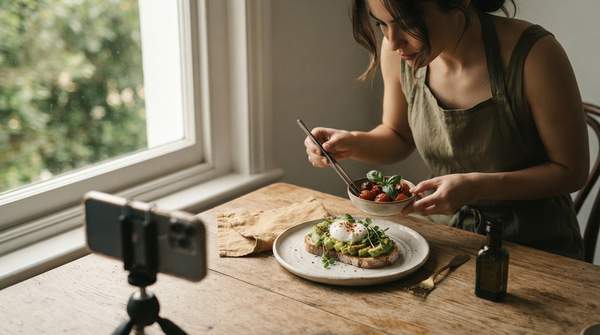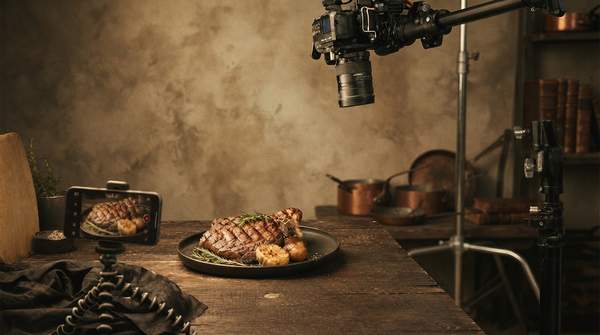
The best lighting source for food photography depends on the aesthetic you are chasing. Natural window light, used sparingly, is the classic route to a dark and moody look built on deep shadows. Continuous LED light gives you a real-time preview of your light and a naturally soft mood, at the cost of less raw power. Strobe light delivers intense bursts that freeze motion, overpower ambient light, and produce crisp, dramatic results—if you diffuse the harsher shadows it can create. Here is how each one works, and how to choose.
Introduction: Illuminating Your Culinary Vision
Lighting is the single biggest decision in food photography. The same dish can read as cozy and rustic or clean and commercial depending entirely on where the light comes from, how much of it there is, and how soft or hard its shadows fall. Three sources dominate the practice: natural window light, continuous LED panels, and strobe or flash units.
Each makes a different trade-off between control, power, mood, and setup. Window light is free and beautiful but changes with the weather and time of day. LEDs let you see exactly what you are getting before you press the shutter. Strobes pack far more punch, which buys you sharpness and flexibility—but with a steeper learning curve. This guide compares all three for still food photography, from basic to intermediate setups, and skips specific gear recommendations.