For home cooks venturing beyond basic meal preparation, a general chef's knife often proves insufficient for specialized butchery tasks like deboning, filleting, or breaking down primal cuts. As Elena Vasquez, a seasoned professional from The Butcher's Handbook, aptly states, "A butcher without the right knife is like a painter without a brush," underscoring the necessity of specialized tools for specific meat preparation.
Understanding the distinct design features, material properties, and optimal applications of boning, filleting, breaking, and cleaver knives can empower you to confidently select the appropriate blade for your culinary needs. Each knife is meticulously engineered with unique characteristics to excel at particular cuts and types of meat, ensuring precision, efficiency, and safety in your kitchen.
Specialized Butchery Knives: A Comparative Overview
This table allows readers to quickly compare the key design features, material properties, and optimal applications of each knife type, helping them identify the best knife for their specific home butchery needs.
| Knife Type | Blade Length & Shape | Blade Flexibility | Common Steel Type | Primary Use Cases | Ideal Meat/Task |
|---|---|---|---|---|---|
| Boning Knife | Narrow, sharp blade, 5-8 inches long, can be slightly curved or straight. | Available in both stiff and flexible versions; stiff for larger cuts, flexible for delicate work. | High-carbon stainless steel | Used for deboning meat, trimming fat, removing silverskin, and making close cuts around bones. | Poultry, beef, pork, lamb (deboning, trimming) |
| Filleting Knife | Long, thin, and highly flexible blade, typically 6-9 inches long. | Highly flexible, allowing it to bend along bone structures and remove skin easily. | High-carbon stainless steel | Ideal for filleting fish, preparing delicate proteins, removing fish skin, and cutting very thin slices. | Fish, delicate proteins (filleting, skinning, thin slicing) |
| Breaking Knife | Heavy-duty knife with a thick, curved blade, typically 8-12 inches long. | Rigid and stiff due to its heavy-duty and thick blade construction. | High-carbon stainless steel | Used for breaking down large cuts of meat, separating primal cuts, and cutting through cartilage. | Large cuts of beef, pork, lamb (breaking down carcasses, primal cuts) |
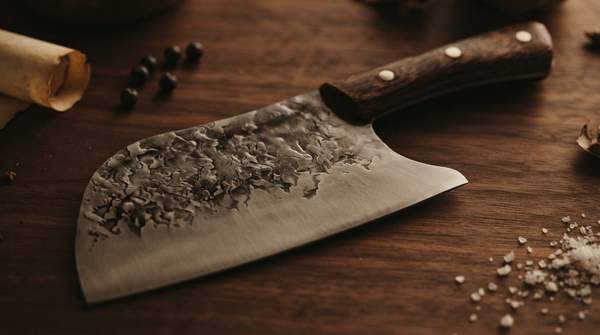
| Cleaver Knife | Thick, heavy, and broad blade, often rectangular, varying in length. | Generally rigid and stiff, though some specific models may offer enhanced flexibility. | High-carbon stainless steel | Used for chopping through meat, joints, small to medium bones, and hard vegetables. | Large cuts of meat, poultry (chopping, bone work) |