Natural wine production distinguishes itself from conventional winemaking through a philosophy of minimal intervention, aiming to express the unique characteristics of the grapes and their environment. This approach directly influences the resulting flavor profiles and sensory characteristics, offering a diverse range of experiences for consumers.
While there is no single legal definition or certification for "natural wine," common principles include organic or biodynamic farming practices, the use of wild or native yeasts for fermentation, and a significant reduction in additives, fining, filtering, and sulfur dioxide (SO2) additions. These methods often lead to wines with distinct textures, aromas, and appearances, which can differ notably from their conventionally produced counterparts.
What Defines Natural Wine?
Natural winemaking is rooted in a philosophy that prioritizes minimal intervention from the vineyard to the bottle. This approach often begins with organic or biodynamic farming practices, whether certified or simply practiced by the winemaker, as noted by Wyrd Wine. The goal is to allow the unique environment, or "terroir," where the grapes grow to influence the wine's character, a concept highlighted by Dry Farm Wines.
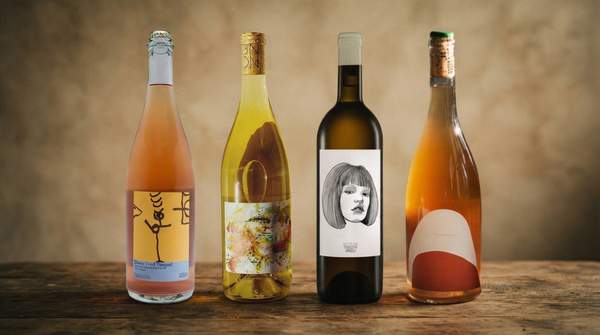
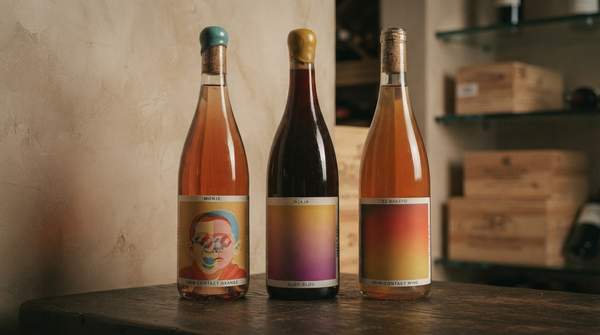
In contrast to mass-market wines, which may involve extensive processing to achieve consistent flavors globally, natural wines are artisan products that embrace variability. Even when compared to conventionally made independent wines, natural wines stand apart due to their low-intervention methods, as explained by MORE Natural Wine. This commitment to minimal processing means that natural wines often appear cloudy and may contain harmless sediment because they are typically unfined and unfiltered, techniques that proponents believe can strip flavor from the wine, according to Wine Enthusiast.
The Role of Wild Yeast in Fermentation
A cornerstone of natural wine production is the reliance on wild or native yeasts for fermentation. These indigenous yeasts, naturally present in the vineyard and cellar, initiate the conversion of sugar into alcohol. This "spontaneous fermentation" is a key indicator of natural winemaking, as Wyrd Wine points out.
The choice of yeast significantly influences a wine's flavor characteristics and can also affect alcohol content and fermentation speed. While conventional winemakers often select specific cultured yeast strains from laboratories to achieve predictable results and desired flavor profiles, natural winemakers embrace the complexity and unique contributions of wild yeasts, as discussed by MORE Natural Wine. This reliance on the local microbial environment contributes to the distinctive and often more varied aromatic and textural qualities found in natural wines.