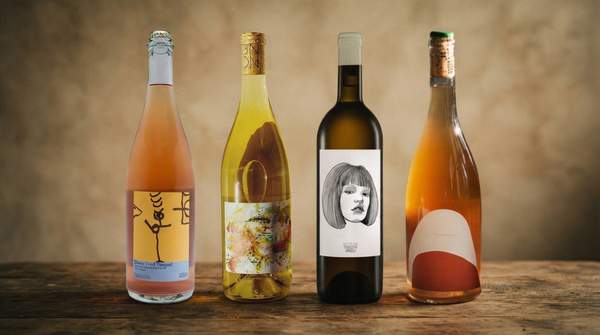
Natural Wine Style Guide: Production, Terroir & Flavor
Understanding the defining features of various natural wine styles is crucial for confident selection and appreciation. The following guide outlines key production methods and typical characteristics for some widely recognized natural wine styles, illustrating how minimal intervention and the influence of terroir contribute to their distinct profiles.
Key Natural Wine Styles and Their Characteristics
| Natural Wine Style |
Key Production Method |
Terroir Influence |
Typical Characteristics/Flavor Profile |
| Orange Wine |
Made from white grapes that undergo extended maceration with their skins, similar to red wine production. This skin contact imparts color, tannins, and unique aromas. |
General terroir expression |
Often features complex aromas of dried fruit, nuts, and savory notes, with a distinctive amber hue and tannic structure. Its profile can range from light and aromatic to bold and oxidative. |
| Pét-Nat (Pétillant Naturel) |
A sparkling wine produced using the 'méthode ancestrale,' where fermentation finishes in the bottle, trapping natural CO2. This method results in a naturally fizzy wine that is often cloudy due to unfiltered yeast. |
General terroir expression |
Typically light, fresh, and fruity with vibrant acidity, often exhibiting yeasty or bready notes and a slight cloudiness. Its flavor profile is highly dependent on the grape variety and vintage. |
| Glou Glou Wine |
Characterized by minimal intervention and designed for easy drinking, often made with carbonic maceration or short skin contact. These wines prioritize freshness and fruitiness over complexity or aging potential. |
General terroir expression |
Typically light-bodied, juicy, and fruit-forward, with low tannins and high drinkability. They are often served chilled and are known for their refreshing qualities. |
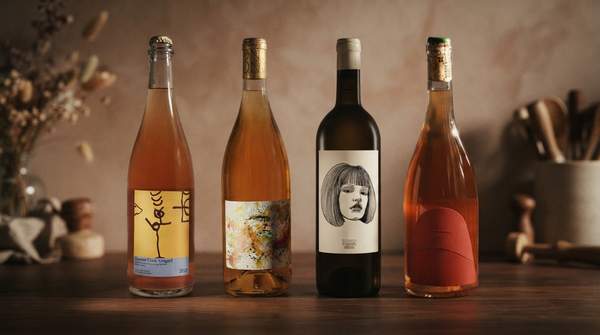
Orange wine, a prominent natural wine style, is crafted from white grapes that undergo extended contact with their skins during fermentation, a technique traditionally reserved for red wine production. This prolonged skin maceration is responsible for imparting a distinctive amber or orange hue, along with a noticeable tannic structure and a complex aromatic profile, as explained by Grape Guru. The process extracts not only color but also phenolic compounds that contribute to the wine's body and texture.
The flavor profile of orange wines can be quite varied, ranging from light and aromatic expressions to bolder, more oxidative styles. Grape Guru notes that these wines often feature complex aromas of dried fruit, nuts, and savory notes. They can also exhibit earthy and mineral characteristics, which are often seen as a clear imprint of their terroir. The unique combination of white grape aromatics with red wine-like structure makes orange wines a distinctive category within the natural wine spectrum.
Pét-Nat, an abbreviation for Pétillant Naturel, refers to a style of sparkling wine produced using the "méthode ancestrale." This ancient method involves bottling the wine before its primary fermentation is complete, allowing the fermentation process to finish inside the sealed bottle. This traps the naturally produced carbon dioxide, resulting in a wine with a gentle effervescence. A common characteristic of Pét-Nats is their cloudy appearance, which stems from the fact that they are often unfiltered, retaining yeast sediment in the bottle, according to Sommo.
Pét-Nats are generally characterized by their light, fresh, and fruity qualities, often accompanied by vibrant acidity that contributes to a lively sensation on the palate. They can also present yeasty or bready notes, a direct result of the fermentation finishing in the bottle with the lees. The specific flavor profile of a Pét-Nat is highly dependent on the grape variety used and the particular vintage, making each bottle a unique expression of its origin and the conditions of that year.
Another popular and approachable natural wine style is Glou Glou, a term that evokes its easy-drinking nature. These wines are typically made with minimal intervention and are designed for immediate enjoyment, prioritizing freshness and fruitiness over complexity or aging potential. Production methods often involve techniques like carbonic maceration or very short skin contact, which help to extract vibrant fruit flavors without excessive tannins.
Glou Glou wines are generally light-bodied, juicy, and intensely fruit-forward, with low tannin levels that contribute to their high drinkability. They are frequently served chilled, enhancing their refreshing qualities. MYSA Natural Wine identifies Glou Glou as one of five key categories for beginners, highlighting its accessibility and enjoyable characteristics for those new to natural wines.