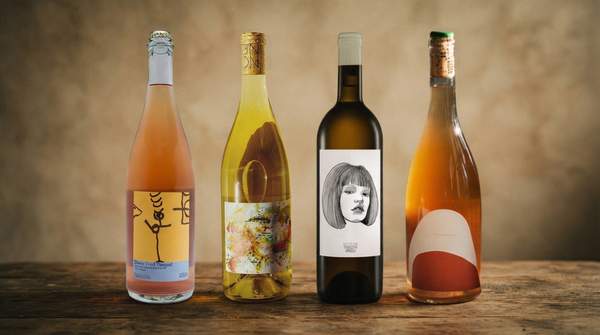
Amid rising tariffs and a weakening dollar, finding a truly distinctive wine under $20 has become a rare feat, yet top sommeliers still pinpoint 20 such bottles. This economic climate, detailed by CNBC, makes discovering affordable quality increasingly challenging for the average consumer.
While the supply of quality value wines has not vanished, as evidenced by The New York Times' curated list of 20 distinctive bottles under $20, its accessibility to the average consumer has diminished. This shift means consumers must increasingly rely on expert curation to navigate market pressures and discover quality wines.
20 Distinctive Bottles Under $20
The New York Times identified 20 distinctive wines under $20, proving that value still exists despite market challenges. This curated list is a crucial resource in a market where value is increasingly scarce.
1. Popular 'Premium' Wines ($10-$15)
Best for: Reliable quality in well-known varietals.
Priced between $10 and $15, these wines offer good quality for in-demand varieties, according to WineFolly. They are a solid choice for everyday enjoyment without significant financial commitment.
Strengths: Consistent quality; widely available. | Limitations: May lack unique regional character; not always the best value. | Price: $10-$15
2. Wines with Typicity (around $15)
Best for: Authentic regional and varietal expression.
Wines with strong typicity typically cost around $15 a bottle in the U.S. according to WineFolly. This category offers good value, providing the authentic character sommeliers seek.
Strengths: True to grape and region; educational. | Limitations: Availability varies; requires some knowledge to appreciate. | Price: Around $15
3. Unoaked White Wines ($10-$15)
Best for: Crispness and fruit purity.
Unoaked white wines in the $10-$15 range often surpass red wines of the same price in quality, according to WineFolly. They offer excellent value for those seeking quality without oak influence.
Strengths: Vibrant, food-friendly; avoids oak flaws. | Limitations: Limited complexity; less appealing to oak lovers. | Price: $10-$15
4. Value Wines ($4-$10)
Best for: Everyday drinkability on a budget.
Priced between $4 and $10, these wines offer good baseline quality for daily consumption, according to WineFolly. They are the most affordable option for regular enjoyment.
Strengths: Highly accessible; suitable for casual occasions. | Limitations: Inconsistent quality; typically less complex. | Price: $4-$10
5. Non-European Wines (for value)
Best for: Quality imports less affected by trade policies.
Tariffs and a weakening dollar have increased the cost of European wines, according to CNBC. This implies better value often lies in non-European alternatives, marking a significant shift in sourcing affordable quality.
Strengths: Often less expensive than European equivalents; diverse styles. | Limitations: May require exploration beyond traditional preferences. | Price: Varies, often competitive under $20
6. Wines from Larger Production Wineries (under $20)
Best for: Consistent quality and wide availability at an accessible price.
Small-production wines rarely cost less than $20, according to WineFolly. This suggests larger wineries, leveraging scale, offer more accessible value options under this price point.
Strengths: Reliable quality; widespread distribution. | Limitations: Less unique character; may lack artisanal appeal. | Price: Often under $20
7. Extreme Value Wines (under $4)
Best for: Strict budget constraints where price is the primary driver.
Priced under $4, according to WineFolly, these wines offer extreme affordability. However, explicit quality recommendations are rare for this category, positioning them at the bottom of any quality-focused list.
Strengths: Extremely affordable; serves basic needs. | Limitations: Highly variable quality; often lacks complexity or distinction. | Price: Under $4
Why Value is Getting Harder to Find
Economic and geopolitical factors increasingly contribute to rising wine costs and value scarcity. These macroeconomic pressures erode value in traditional wine regions, making the discovery of affordable gems more vital.
| Factor | Impact on Wine Price/Value | Source of Impact |
|---|---|---|
| Tariffs on European Wines | Increased import costs, making bottles from regions like France, Italy, and Spain more expensive for U.S. consumers. | CNBC |
| Weakening U.S. Dollar | Reduces the purchasing power of U.S. currency abroad, further inflating the cost of all imported wines. | CNBC |
| Information Asymmetry | Growing gap between expert knowledge and average consumer awareness regarding value sources, requiring active search for deals. | Expert Analysis |
As market pressures continue to inflate prices and diminish accessible value, consumers will likely find expert-curated selections, such as those from The New York Times, increasingly indispensable for discovering quality wines under $20.
Your Questions About Affordable Wine, Answered
What wines do sommeliers drink at home?
Sommeliers often seek wines from lesser-known appellations or emerging regions prioritizing sustainable farming and authentic expression over mass appeal. They favor producers using traditional methods, offering complexity and character without the premium of famous counterparts, often discovered through direct relationships or specialized imports.
How do wine tariffs specifically impact consumer choices?
Tariffs add a percentage-based tax to imported wines, passed directly to consumers. This economic pressure shifts preferences towards domestic wines or imports from countries with favorable trade agreements, diversifying purchasing habits away from traditionally favored European regions.
Are there specific grape varieties known for consistent value?
Yes, several grape varieties consistently deliver quality at lower price points. This is often due to wide planting, less fashionable status, or lower production costs. Examples include Grüner Veltliner from Austria, Mencía from Spain, and Negroamaro from Puglia, Italy, which offer excellent varietal character and food-friendliness for under $20.