Valentin Raffali, a young French chef, has transformed Le Restaurant into one of Paris's most coveted reservations. His innovative approach draws diners beyond traditional haute cuisine, seeking modern Parisian experiences, signaling a dramatic shift.
Paris's culinary identity once clung to formal, expensive haute cuisine. Yet, the city's most exciting dining now blossoms in accessible, contemporary bistros and wine bars.
With innovative young chefs rising and the food hierarchy flattening, Paris's culinary future appears increasingly democratic, sustainable, and rooted in fresh, local ingredients, poised to reshape its global gastronomic reputation.
The Democratization of Parisian Dining
- Paris's traditional food hierarchy has flattened; outstanding contemporary French cooking now graces tables at reasonable prices across the city, according to eater. Exceptional culinary experiences are no longer exclusive to the elite; Parisian gastronomy broadens its appeal.
A New Palate: Vegetables and Bistros Lead the Way
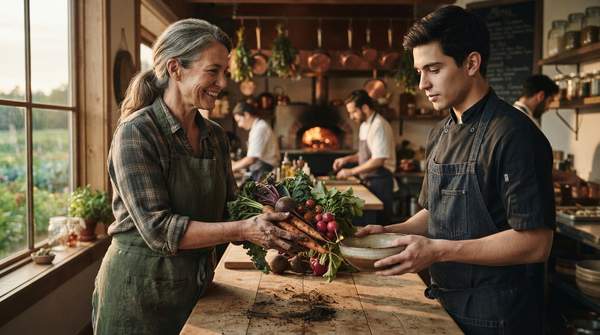
Modern Parisian menus now champion vegetables, with locally sourced produce often eclipsing meat, according to eater. The championing of freshness and sustainability over traditional meat-centric dishes defines this shift.
Establishments like Juveniles, a wine bar and bistro in the 1st arrondissement ($$), exemplify this trend. Their popularity defines the modern Parisian dining experience, making quality food accessible to all.
The Fading Grandeur of Haute Cuisine
Traditional French haute cuisine has grown excessively expensive, overly formal, gastronomically stagnant, and increasingly irrelevant, according to eater. This stagnation created a vacuum, now filled by a vibrant, modern dining scene.
Culinary prestige, once tied to formality and price, faces a challenge. Consumers now crave innovation and accessibility, not traditional status symbols.