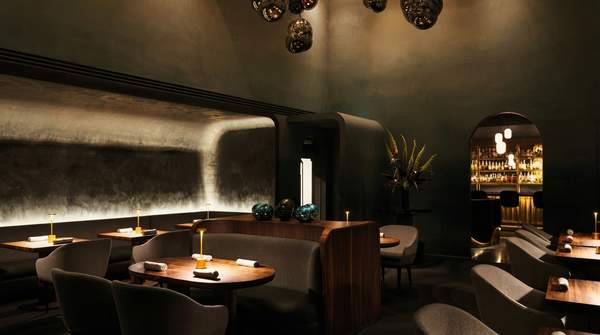
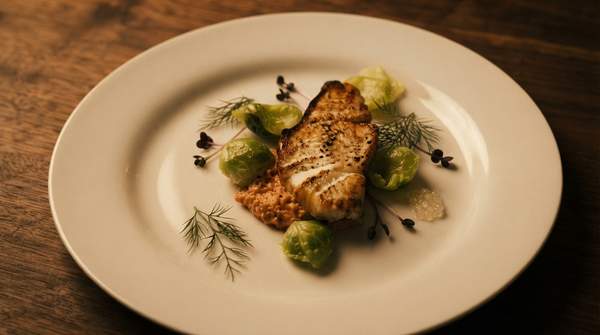
In a striking pivot, the former fine dining sanctuary of Tail Up Goat in Adams Morgan has been reborn as Rye Bunny, a counter-service comfort food spot where light fare starts at just $14. Rye Bunny opened on Thursday, April 2, according to DC, transforming its fine dining space into a counter-service hybrid model, as reported by Eater. This creates a fascinating tension: fine dining typically means exclusivity and high prices, but Rye Bunny offers an inclusive, affordable model. This shift suggests a growing trend where restaurants prioritize accessibility and employee welfare, potentially reshaping the future of urban dining.
What to Expect on the Menu and Model
Rye Bunny embraces a counter-service model, making dining more affordable. Light fare starts at $14, with larger plates in the mid-$20s, according to DC. This pricing structure attracts a broader customer base, making quality dishes accessible. By combining flexible service with approachable prices, Rye Bunny democratizes culinary experiences once reserved for fine dining establishments.
A New Approach to Restaurant Economics
Rye Bunny employs fewer workers than Tail Up Goat, its fine dining predecessor, yet offers competitive pay and maintains sustainable prices, according to Eater. This operational strategy creates a more equitable business for both staff and customers. The restaurant industry is innovating its models to survive, with employee welfare now a non-negotiable for long-term viability, even if it means sacrificing traditional service. This directly challenges the idea that lower prices require lower labor costs.
From Fine Dining to Flexible Fare
Rye Bunny now occupies the 84-seat space that was once Tail Up Goat, a fine dining establishment, according to DC. This transformation shows that established restaurant real estate isn't just for luxury anymore; there's a broader market demand for accessible, quality dining. Repurposing such a high-rent location for a counter-service hybrid marks a deliberate break from the past, sustaining both the business and its workforce, and hinting at a new era for urban dining.