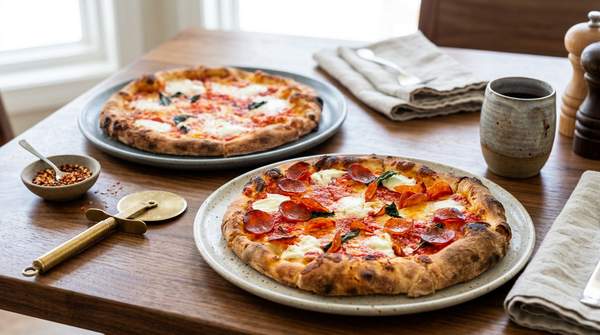
The next time you see kimchi fried rice or mahi mahi tacos on the menu at a gas station, know that it’s not a culinary fluke. It’s a calculated business strategy born from economic necessity. The growing trend of convenience stores becoming gourmet meal destinations is a direct response to the existential threats facing the fuel retail industry, forcing operators to find new ways to survive and thrive.
The Shifting Sands of Fuel Retail
For decades, the business model for gas stations seemed straightforward. But behind the scenes, many operators—the vast majority of whom are independent small businesses—have been navigating a landscape of razor-thin profit margins on fuel. According to an analysis from Driivz, a company specializing in electric vehicle charging solutions, these small businesses are contending with volatile oil markets and the slow but steady rise of electric vehicles, which threatens their core product.
This precarious financial situation means that simply selling gasoline is no longer a sustainable path to profitability. The long-term shift toward electric vehicles further pressures this model, forcing station owners to fundamentally rethink their operations and prepare for a future where their primary revenue stream diminishes.
In-Store Sales: The New Profit Engine
With profits at the pump shrinking, the financial health of a gas station now depends almost entirely on what happens inside the convenience store. The real money is in the coffee, snacks, and, increasingly, high-quality prepared meals. This pivot from a fuel-centric model to a retail- and food-focused one is not just an opportunity for growth; for many, it is a requirement for survival.
This shift compels operators to innovate. To remain profitable, they must transform their locations from simple refueling stops into destinations that meet a wider variety of driver needs. By enhancing their in-store offerings, particularly food, they can capture more revenue from each customer visit, offsetting the low margins from gasoline sales.
The Broader Restaurant Industry Context
Gas stations are not entering the food business in a vacuum. They are stepping into a challenging 2026 restaurant industry landscape defined by intense cost pressures. According to the National Restaurant Association, rising costs are the key stressor for food service operators. More than nine in ten cite significant challenges from the increasing price of food, labor, insurance, and energy.
These persistent cost increases are squeezing margins across the board. The association noted that last year, 42 percent of restaurant operators reported that their business was not profitable. This environment highlights the urgent need for operational innovation and new revenue streams, creating an opening for unconventional players like gas stations to compete by offering compelling value.