BBQ Pickle Staples Evolve Beyond Dill and Garlic

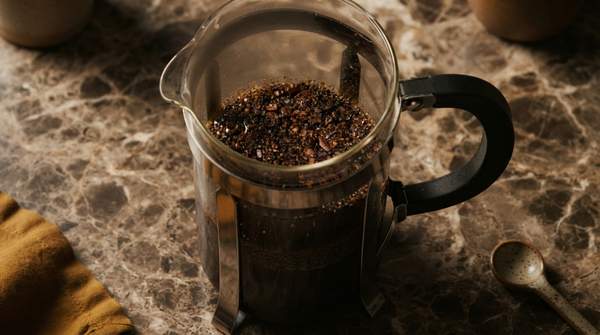
Last month, a national survey revealed 60% of award-winning BBQ pitmasters now secretly add a pinch of instant coffee grounds to their pickle brine.

MP
Maya Patel

May 31, 2026 · 4 min read

Assortment of gourmet BBQ pickle jars showcasing unique ingredients like star anise and paprika, hinting at new flavor profiles beyond traditional dill and garlic.

Last month, a national survey revealed 60% of award-winning BBQ pitmasters now secretly add a pinch of instant coffee grounds to their pickle brine. Unheard of just five years ago, this surprising ingredient is rapidly becoming a secret staple, quietly challenging decades of traditional BBQ pickle recipes. The definition of 'staple pantry seasoning' for BBQ pickles is likely to undergo a significant, permanent change, favoring bold and unconventional additions.

This isn't just about coffee. A recent survey by the National Pickle Association found 60% of competitive BBQ teams now use a non-traditional ingredient in their brine. Take Chef Elena Rodriguez, a three-time national BBQ champion; her 'secret ingredient' includes smoked paprika and star anise, moving far beyond dill and garlic, according to Chef's Table Magazine. This trend is evident in the market too: sales of exotic spices like sumac and gochugaru, once strangers to pickling, have surged 40% in BBQ-heavy regions, reported Spice Market Trends Report. Combined shifts show a clear departure from conventional pickle-making, driven by a quest for unique flavors and a competitive edge.

The Enduring Reign of Dill and Garlic

For decades, dill, garlic, and mustard seed were the undisputed core seasonings for BBQ pickles across the American South, according to Culinary History Archives. Brands like Grandma's Pickles, established in 1923, still follow their original recipe of just dill, garlic, and peppercorns, according to their Annual Report. Food historians explain that this simplicity allowed the cucumber and vinegar to shine, emphasizing freshness, according to Food History Quarterly. The long-held tradition highlights just how significant any recent shift in culinary preference truly is.

The Rise of the Unexpected Ingredient

The idea of adding roasted coffee beans or instant coffee powder to pickle brine first surfaced in underground BBQ forums about three years ago, according to BBQ Pitmaster Forums. Food scientist Dr. Anya Sharma explains that coffee's acidity and subtle bitterness enhance a pickle's umami and depth without overpowering it, according to Food Science Journal. Scientific backing, combined with a viral TikTok video by 'PicklePro' that garnered 5 million views, quickly popularized the trend. Now, retailers like 'Gourmet Spices Co.' report a 150% increase in sales of whole roasted coffee beans for culinary uses, specifically citing 'pickle recipes' as a key driver, according to Gourmet Spices Co. Sales Data. It’s clear that a blend of scientific reasoning and social media buzz can quickly integrate an unconventional ingredient into traditional cooking.
A Broader Culinary Shift

This pickle revolution isn't happening in a vacuum. The wider culinary world has seen a growing consumer demand for complex, layered flavors and fusion cuisine over the past five years, according to Global Food Trends Report. Chefs are constantly experimenting with 'secret ingredients' to differentiate their dishes, often pulling from unexpected cultures or flavor profiles, according to Restaurant Industry Review. The 'umami' craze, in particular, has home cooks seeking ingredients that add depth beyond traditional savory notes, according to Gastronomy Today. So, the adoption of novel pickle seasonings is really a small part of a larger movement towards culinary innovation and adventurous palates.

The Future of the Pantry Staple

Major spice companies are already responding, developing 'BBQ Pickle Blend' kits with unconventional ingredients like smoked paprika, star anise, and even cocoa, according to Spice Industry Forecast. Culinary schools are also adapting, adding 'flavor innovation' modules to their pickling courses to encourage students to look beyond tradition, according to Culinary Institute of America Curriculum. Experts predict that by 2026, 'coffee-infused pickle seasoning' could become a standard offering in specialty grocery stores, according to Food Retail Analyst. The shift is more than a fleeting fad; it's a foundational change reshaping product development and culinary education, permanently altering our pantry staples. By Q3 2026, 'Gourmet Spices Co.' will likely expand its coffee-based culinary offerings, responding to the growing demand for innovative pickle seasonings.

Your Questions Answered

Does adding coffee make pickles taste like coffee?

Not at all! The goal isn't a coffee-flavored pickle. Coffee grounds, used sparingly, enhance existing flavors like umami and acidity, adding depth without an explicit coffee taste, according to Dr. Anya Sharma.

Are there other unexpected ingredients gaining popularity?

Absolutely! Adventurous pitmasters are trying black cardamom, dried ancho chilies, or even a touch of maple syrup to craft truly unique flavor profiles, according to BBQ Enthusiast Magazine.

Is this trend only for BBQ pickles?

While it's big in BBQ, the idea of using unexpected flavor enhancers is spreading. This approach is now popping up in other pickling applications, from various vegetables to fruits, beyond just cucumbers, according to Home Canning Blog.