Embarking on a home fermentation project, whether it's your first batch of sauerkraut or a new take on dill pickles, can be a rewarding experience. While the process is ancient, a few key tools can make the difference between a good ferment and a great one, ensuring consistency and safety. The right equipment, from basic kitchen staples to more specialized gear, elevates your results and simplifies the process, according to fermentation educator Holly Howe. This guide breaks down the essential tools by their function: preparing ingredients, containing the ferment, and managing the environment. Understanding these categories will allow you to assemble a toolkit that fits your budget and ambitions, whether you are using items you already own or investing in dedicated equipment.
Preparation Tools: Setting the Stage for Success
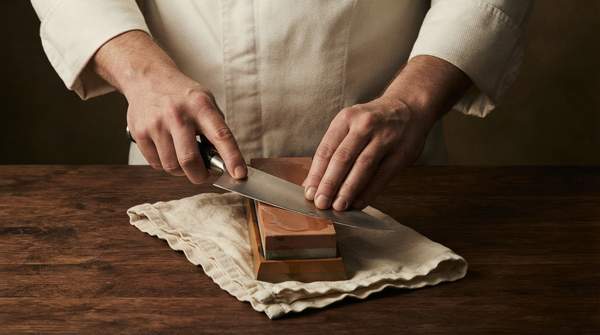
Proper preparation is the foundation of any successful ferment. Before your vegetables ever meet a jar, a few basic tools ensure they are processed correctly for optimal results. While many items may already be in your kitchen, their role in fermentation is critical. A sharp knife and a sturdy cutting board are non-negotiable for slicing and dicing vegetables to a uniform size, which promotes even fermentation. For shredding cabbage for sauerkraut or creating thin vegetable slices, a mandoline can be a valuable, time-saving tool. For added safety when using sharp blades, some cooks use cut-resistant gloves.
Perhaps the most crucial preparation tool is a digital scale. Successful lacto-fermentation relies on a precise salt-to-vegetable ratio to create a brine that encourages beneficial bacteria while inhibiting spoilage microbes. A digital scale removes the guesswork, allowing you to weigh both your vegetables and your salt accurately. This precision is a key factor in achieving consistent, safe, and reliable outcomes batch after batch. While you can start without one, a scale is one of the first upgrades that can significantly improve your results.
Choosing Your Fermentation Vessel: A Comparison
The container where the magic happens is a key decision for any home fermenter. The ideal vessel should be made of a non-reactive material that can be properly sanitized. The most common choices for fermenting vegetables are glass jars, ceramic crocks, and food-grade plastic containers. As fermentation expert Tara Whitsitt recommends, beginners may want to start with glass to see the process unfold. Each type of vessel comes with distinct advantages and disadvantages related to cost, batch size, and ease of use.
| Vessel Type | Cost | Visibility of Ferment | Typical Batch Size | Ease of Use | Durability and Maintenance |
|---|---|---|---|---|---|
| Glass Jars (e.g., Mason jars) | Generally low cost and widely available. | Excellent. Transparency allows for easy visual monitoring. | Ideal for small to medium batches of krauts, pickles, and kvass. | Easy to find and store. Wide-mouth versions are easiest to pack. | Impermeable to oxygen and easy to sanitize, but can be heavy and fragile. |
| Ceramic Crocks | Higher initial investment. | None. Opaque nature prevents visual monitoring. | Well-suited for making large batches. | Simple to use, often comes with dedicated weights. Heavy to move. | Very durable and long-lasting if handled with care. |
| Food-Grade Plastic Containers | Often more affordable than glass or ceramic for larger volumes. | Varies from opaque to translucent. | Suitable for a wide range of batch sizes. | Lighter and less fragile than glass, making them easier to handle. | Must be food-grade (#2 HDPE or #5 PP). Can be scratched, potentially harboring bacteria. Cannot be cleaned with very hot water. |
Glass jars, especially Mason jars, are a go-to for many home fermenters due to their low cost and availability. Their transparency is a major benefit, allowing you to watch for signs of active fermentation or potential issues. While glass is impermeable to oxygen and easy to clean, it is also heavy and can break if dropped, especially when wet and full.
For those looking to make larger batches, food-grade plastic can be an affordable and lightweight alternative. However, it is critical to use only plastics marked as food-grade, specifically High-Density Polyethylene (HDPE, #2) or Polypropylene (PP, #5), to avoid the risk of chemicals leaching into your food. According to Old School Ferments, the acidic nature of fermentation can break down weaker plastics. Plastic is also more prone to scratches that can harbor unwanted bacteria and cannot be sanitized with the high heat that glass can withstand.